
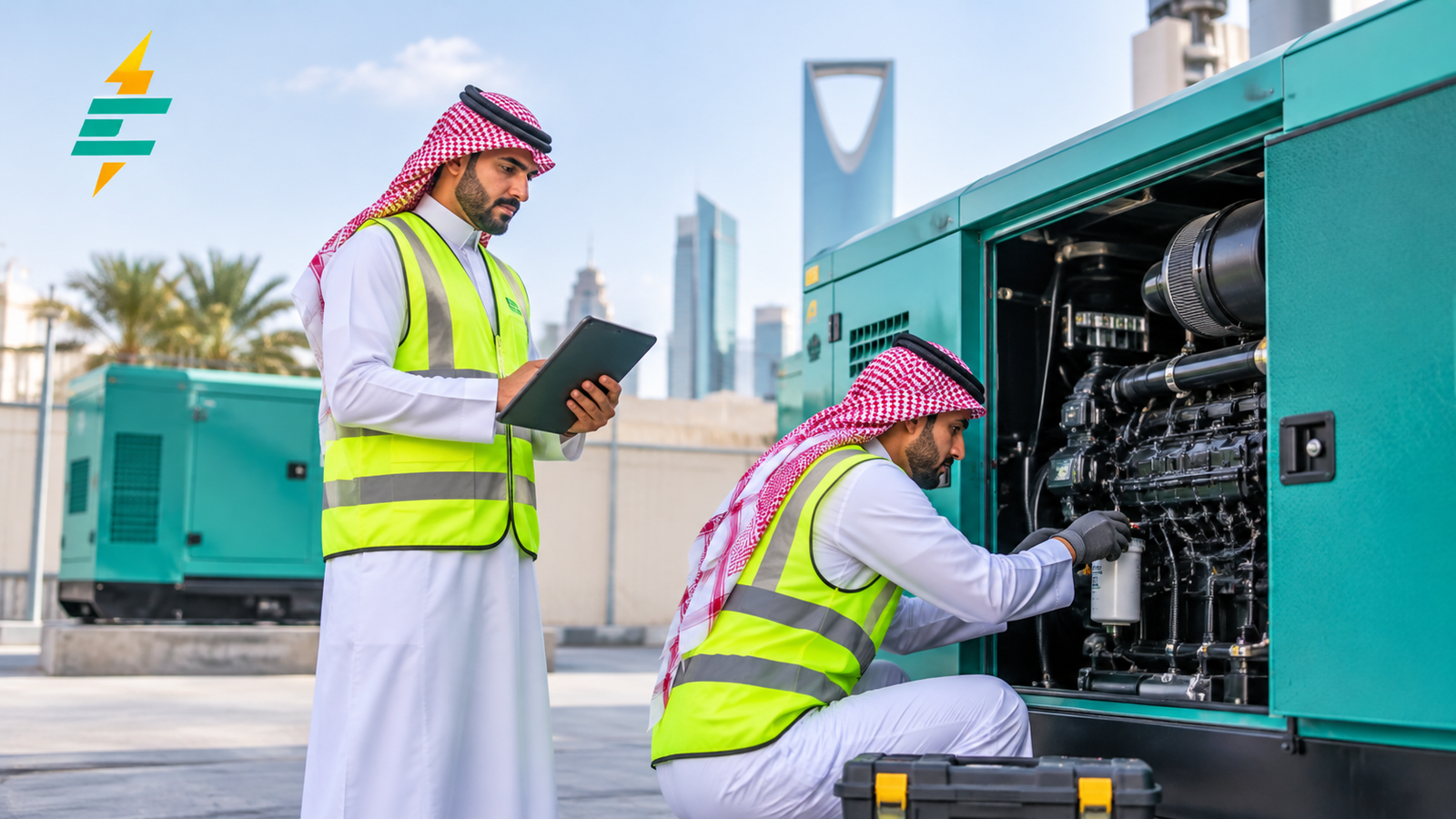

Electric generators play an essential role in providing reliable backup power during unexpected outages. Whether used in residential properties, commercial facilities, or industrial sites, generators help maintain essential operations and keep electrical appliances and equipment running when the main power supply is unavailable.
As homes increasingly depend on electrical appliances, air conditioning systems, refrigerators, and other essential devices, having a reliable backup generator has become more important than ever. However, purchasing a generator is only the first step. Maintaining its performance requires regular inspections, proper servicing, and timely repairs.
Home generator maintenance is essential for ensuring reliable operation, preventing unexpected breakdowns, and extending the generator’s service life. It involves more than simply changing engine oil or cleaning filters. A comprehensive maintenance program includes inspecting the engine, fuel system, cooling system, electrical components, control panels, and battery.
In this guide, we will explore everything homeowners and facility managers need to know about generator maintenance, including preventive servicing, common generator problems, troubleshooting methods, replacement parts, and the importance of professional maintenance services.
Why Is Home Generator Maintenance Important?
A generator may appear to operate normally for months without showing obvious signs of trouble. However, internal components can gradually deteriorate due to heat, vibration, dust, fuel contamination, and continuous operation.
Regular home generator maintenance helps identify potential problems before they develop into major failures. It also ensures that the generator remains ready to provide electricity whenever an outage occurs.
Here are some of the most important benefits of maintaining your generator.
1. Maintaining Optimal Performance
Regular maintenance helps ensure that the engine and electrical components operate according to the manufacturer’s specifications.
Clean air filters, properly maintained fuel systems, and suitable engine oil allow the generator to operate efficiently without unnecessary stress on its components.
2. Preventing Unexpected Breakdowns
One of the biggest concerns for generator owners is experiencing a failure during a power outage.
Routine inspections help identify early warning signs, such as weak batteries, clogged fuel filters, loose connections, or cooling system problems.
Addressing these issues early reduces the risk of unexpected shutdowns.
3. Extending Generator Lifespan
Generators contain several mechanical and electrical components that experience wear during operation.
Preventive generator maintenance reduces unnecessary friction, prevents excessive heat buildup, and protects critical components from premature damage.
With proper servicing, a generator can maintain reliable performance for many years.
4. Reducing Repair Costs
Minor generator problems are generally less expensive to repair than major mechanical failures.
For example, ignoring an oil leak or a clogged fuel filter may eventually cause engine damage or operating problems that require more expensive repairs.
Regular maintenance helps reduce these risks and supports better long-term equipment management.
5. Improving Operating Safety
Generator maintenance is also important for protecting people and property.
Technicians inspect fuel connections, electrical wiring, grounding systems, ventilation, and safety controls to identify potential hazards.
Generators must always operate outdoors in properly ventilated locations because engine exhaust contains carbon monoxide, which can be fatal in enclosed spaces.
Which Generator Components Require Regular Maintenance?
Understanding the main components of a generator makes it easier to identify maintenance requirements and recognize potential problems.
Each component performs a specific function, and a failure in one system can affect the overall performance of the equipment.
Generator Engine
The engine is the primary mechanical component responsible for converting fuel energy into mechanical power.
It requires regular inspection to ensure that all internal components operate properly.
Engine maintenance generally includes:
- Checking engine oil levels.
- Replacing engine oil according to the manufacturer’s schedule.
- Inspecting air and fuel filters.
- Checking for oil leaks.
- Monitoring unusual noises and vibrations.
- Inspecting engine belts and external connections.
Fuel System
The fuel system supplies the engine with the fuel required for combustion.
Its components include the fuel tank, fuel lines, filters, pumps, and injection system, depending on the generator type.
Fuel system maintenance includes inspecting hoses, checking for leaks, replacing clogged filters, and ensuring that the fuel remains clean and suitable for use.
Cooling System
The cooling system prevents the engine from overheating during operation.
It typically includes a radiator, cooling fan, coolant, hoses, and a water pump.
Regular cooling system maintenance involves checking coolant levels, inspecting hoses, cleaning the radiator, and ensuring proper airflow.
Poor cooling performance can cause overheating, automatic shutdowns, and potentially serious engine damage.
Battery and Starting System
The battery supplies the electrical power needed to start the generator.
This is particularly important for automatic standby generators that must start immediately when the main electricity supply fails.
Battery maintenance includes:
- Checking battery voltage and charge.
- Inspecting battery terminals.
- Cleaning corrosion from connections.
- Checking charging system performance.
- Replacing damaged or weak batteries when necessary.
Alternator and Voltage Regulator
The alternator converts mechanical energy into electrical energy, while the voltage regulator helps maintain stable output voltage.
Technicians inspect electrical connections, measure voltage and frequency, and evaluate the condition of electrical components.
These procedures should be performed by qualified professionals using appropriate testing equipment.
Generator Control Panel
The control panel allows operators to monitor generator performance and identify operating problems.
It may display engine temperature, oil pressure, voltage, frequency, operating hours, and warning indicators.
Generator control panel maintenance includes inspecting sensors, electrical connections, alarms, and protective functions.
Essential Steps for Routine Home Generator Maintenance
A reliable maintenance program should follow a consistent schedule rather than relying on repairs after problems appear.
The following procedures help maintain generator performance and reduce the likelihood of unexpected failures.
Step 1: Perform a Visual Inspection Before Starting
Before operating the generator, inspect its exterior and surrounding area.
Look for:
- Oil or fuel leaks.
- Damaged hoses and connections.
- Loose electrical wiring.
- Blocked ventilation openings.
- Visible corrosion or damaged components.
- Foreign objects around the generator.
This simple inspection can help identify potential issues before starting the engine.
Step 2: Change Engine Oil Regularly
Engine oil reduces friction between moving components and helps control internal engine temperatures.
Over time, oil loses some of its protective properties due to heat, contamination, and normal engine operation.
Oil replacement intervals depend on the generator model, operating hours, and manufacturer’s recommendations.
Always use the recommended oil grade and viscosity rather than choosing a product based on general assumptions.
Step 3: Inspect and Clean Air Filters
Air filters prevent dust and other contaminants from entering the engine.
When filters become clogged, airflow decreases, which can affect combustion efficiency, increase fuel consumption, and reduce engine performance.
Inspect air filters regularly and clean or replace them according to the manufacturer’s instructions.
Step 4: Check Fuel Filters
Fuel filters remove dirt and contaminants before fuel reaches the engine.
A clogged filter can cause starting difficulties, unstable operation, reduced engine power, and unexpected shutdowns.
Fuel filter maintenance should include checking the filter condition, inspecting fuel lines, and ensuring that the fuel supply is clean.
Step 5: Inspect the Battery
A weak battery can prevent a generator from starting when backup power is needed.
Check the battery charge, inspect terminals, and ensure that all connections are secure.
If the battery repeatedly loses charge or fails to start the generator, it should be tested by a qualified technician.
Step 6: Inspect the Cooling System
The cooling system must operate efficiently to prevent excessive engine temperatures.
Inspect coolant levels, radiator condition, hoses, connections, and cooling fans.
The generator should also have sufficient clearance around ventilation openings to allow proper airflow.
Step 7: Test Generator Performance Under Load
Starting a generator without connecting electrical equipment does not necessarily confirm that it can supply the required power.
A generator may operate normally without a load but experience problems when electrical demand increases.
Professional load testing helps evaluate output voltage, frequency, engine stability, and overall operating performance.
Preventive Generator Maintenance: How to Avoid Unexpected Failures
Preventive generator maintenance involves performing inspections and servicing procedures before problems occur.
Instead of waiting for equipment to fail, preventive maintenance follows a planned schedule based on operating hours, environmental conditions, and manufacturer recommendations.
Some essential preventive maintenance practices include:
Monitoring Operating Hours: Record generator operating hours after each use. Many maintenance procedures depend on operating time rather than calendar dates.
Replacing Oil and Filters: Change engine oil and replace filters according to the recommended maintenance intervals.
Running Standby Generators Periodically: Generators that remain unused for extended periods should undergo scheduled operational tests according to manufacturer instructions.
Inspecting Safety Systems: Verify that protective functions for low oil pressure, overheating, and electrical overload operate correctly.
Checking Electrical Connections: Inspect connections for looseness, corrosion, overheating, or visible damage.
Maintaining Service Records: Keep a record of inspections, repairs, replaced components, and operating hours.
These procedures make home generator maintenance more organized and help technicians identify recurring problems.
Common Home Generator Problems and How to Troubleshoot Them
Generators can experience different mechanical and electrical problems depending on their operating environment, maintenance history, and equipment condition.
Understanding common generator faults and their possible causes can help owners recognize when professional assistance is required.
1. Generator Fails to Start
A generator that does not start may have a problem with its battery, fuel supply, starter system, or control panel.
Possible causes include:
- A discharged or damaged battery.
- Insufficient fuel.
- Clogged fuel filters.
- Faulty starter components.
- Electrical connection problems.
- Active safety shutdown conditions.
Recommended troubleshooting:
Check the battery condition, fuel level, control panel warnings, and accessible connections.
If the generator still fails to start, a qualified technician should inspect the starting circuit and fuel delivery system.
2. Generator Starts but Shuts Down Unexpectedly
A generator that starts normally but stops after a short period may have a fuel supply issue, overheating problem, or low oil pressure.
Possible causes include clogged filters, insufficient coolant, fuel contamination, or an active protective shutdown.
The control panel should be checked for warning indicators and fault codes.
Avoid repeatedly restarting the generator without identifying the cause of the shutdown.
3. Low or Unstable Electrical Voltage
Voltage fluctuations may affect sensitive electrical equipment and prevent appliances from operating correctly.
Possible causes include excessive electrical loads, alternator problems, voltage regulator faults, or loose electrical connections.
Professional generator troubleshooting should include measuring output voltage and frequency, reviewing connected loads, and inspecting the electrical system.
4. Engine Overheating
Overheating is a serious problem that requires immediate attention.
Common causes include:
- Low coolant levels.
- A blocked radiator.
- Cooling fan failure.
- Restricted airflow.
- Excessive electrical loading.
- Cooling pump problems.
If an overheating warning appears, stop the generator safely according to the manufacturer’s instructions and allow it to cool.
Never open a hot radiator cap because pressurized coolant can cause severe burns.
5. Unusual Exhaust Smoke
Abnormal exhaust smoke may indicate incomplete combustion, fuel system problems, or excessive oil consumption.
Different smoke colors can provide useful diagnostic clues, but the actual cause depends on engine type and operating conditions.
If unusual smoke continues or is accompanied by reduced performance, the generator should be inspected by a qualified technician.
6. Excessive Fuel Consumption
Higher-than-normal fuel consumption may result from clogged air filters, poor combustion, fuel injection problems, or operating conditions that place excessive demand on the engine.
Compare fuel consumption with operating hours and actual electrical loads.
A professional inspection can help determine whether the issue is related to the engine, fuel system, or generator sizing.
7. Unusual Noise and Vibration
Unexpected noise or excessive vibration may indicate loose mounting components, damaged engine supports, worn bearings, or mechanical imbalance.
These symptoms should not be ignored because continued operation may cause additional damage.
Stop the generator if the noise is severe or accompanied by warning indicators, and arrange a professional inspection.
Difference Between Residential and Industrial Generator Maintenance
Although residential and industrial generators operate using similar principles, their maintenance requirements differ significantly.
The main differences involve electrical capacity, operating hours, connected loads, equipment size, and operating conditions.
Residential Generator Maintenance
Residential generators generally provide backup power for essential household appliances, lighting, refrigerators, and selected air conditioning systems.
Their maintenance typically focuses on:
- Engine oil and filter replacement.
- Battery inspection.
- Fuel system maintenance.
- Cooling system inspection.
- Electrical connection checks.
- Periodic operational testing.
The maintenance schedule should reflect how frequently the generator operates and whether it is used as an emergency backup or a regular power source.
Industrial Generator Maintenance
Industrial generators support larger electrical loads and are often essential to business operations.
Factories, warehouses, hospitals, and commercial facilities may depend on generators to maintain critical systems during power interruptions.
Industrial generator maintenance generally includes:
- Inspecting high-capacity engines.
- Testing cooling and fuel systems.
- Checking alternators and voltage regulators.
- Inspecting control and protection panels.
- Testing automatic transfer switches.
- Performing load bank tests.
- Inspecting exhaust and ventilation systems.
Industrial equipment requires specialized technicians and appropriate testing tools to ensure safe and reliable operation.
When Should You Hire Professional Generator Maintenance Services?
Some basic generator inspections can be performed by equipment owners, but many maintenance and repair procedures require technical experience.
Professional generator maintenance services are particularly important when dealing with mechanical failures, electrical faults, fuel system problems, and control panel issues.
Consider professional assistance in the following situations:
Repeated Generator Shutdowns: Frequent shutdowns may indicate problems with fuel delivery, cooling, lubrication, or protective systems.
Electrical Output Problems: Unstable voltage or frequency requires proper testing to protect connected equipment.
Fuel or Oil Leaks: Leaks must be evaluated promptly, and the generator should not be operated until the problem has been assessed and addressed safely.
Engine Overheating: Persistent overheating may cause serious internal engine damage.
Electrical System Repairs: Alternator repairs, voltage regulator inspection, and control panel troubleshooting require qualified technicians.
Reduced Operating Efficiency: Increased fuel consumption, unusual noise, or reduced load capacity may indicate underlying mechanical problems.
Professional generator maintenance services provide more accurate fault diagnosis and help prevent unnecessary replacement of components.
Benefits of On-Site Generator Maintenance
Transporting a generator to a maintenance workshop is not always practical, particularly when dealing with large equipment installed at factories, commercial properties, or residential facilities.
On-site generator maintenance allows technicians to inspect and service equipment at its installation location.
This service offers several advantages.
1. Reduced Downtime
On-site inspections can help reduce delays associated with transporting equipment to a workshop.
2. Lower Transportation Costs
Large generators can be difficult and expensive to move, making on-site servicing a practical solution.
3. Inspection of Actual Operating Conditions
Technicians can evaluate ventilation, electrical connections, fuel arrangements, and surrounding environmental conditions.
4. Faster Fault Diagnosis
Inspecting the generator at its installation location can provide useful information about the conditions contributing to the problem.
5. Better Maintenance Recommendations
Technicians can recommend maintenance procedures based on the actual operating environment and equipment requirements.
This service is suitable for residential properties, factories, commercial buildings, and industrial sites that depend on reliable backup power.
Generator Spare Parts Supply and Its Importance
Using suitable replacement components is an important part of maintaining generator performance.
Even when a fault is correctly diagnosed, installing incompatible or low-quality parts may cause additional problems or reduce equipment reliability.
Common generator spare parts include:
- Engine oil filters.
- Air filters.
- Fuel filters.
- Batteries.
- Drive belts.
- Fuel and coolant hoses.
- Fuel pumps.
- Cooling system components.
- Engine sensors.
- Engine replacement components.
- Voltage regulators and electrical parts.
When purchasing generator spare parts, always verify compatibility with the generator model, serial number, and manufacturer specifications.
Working with a reliable supplier also helps ensure that the correct replacement components are selected.
Generator Cooling System and Fuel System Maintenance
The cooling and fuel systems are essential to stable generator operation. Problems in either system can reduce engine performance and lead to unexpected shutdowns.
Generator Cooling System Maintenance
The cooling system removes excess heat generated during engine operation.
If its performance decreases, the engine may overheat, activate protective shutdown systems, or experience serious mechanical damage.
Cooling system maintenance includes:
- Checking coolant levels.
- Inspecting hoses and connections.
- Looking for coolant leaks.
- Cleaning the radiator according to manufacturer instructions.
- Checking cooling fan operation.
- Inspecting the water pump when necessary.
Always use the recommended coolant type and avoid mixing incompatible products.
Generator Fuel System Maintenance
The fuel system delivers the correct amount of fuel to the engine for efficient combustion.
Contaminated fuel, clogged filters, and damaged fuel lines can cause starting problems, unstable operation, and reduced engine performance.
Generator fuel system maintenance includes inspecting the tank, fuel lines, filters, and pumps.
It is also important to store fuel properly and follow the manufacturer’s recommendations regarding fuel quality and storage periods.
How Often Should a Generator Be Serviced?
There is no universal maintenance schedule for every generator.
Service intervals depend on the engine type, generator model, operating hours, environmental conditions, and manufacturer recommendations.
However, the following schedule provides a general starting point.
| Maintenance Period | Recommended Procedures |
| Before each operation | Check oil, fuel, leaks, and ventilation |
| Weekly for standby generators | Perform scheduled readiness checks |
| Monthly | Inspect battery, connections, and operating records |
| According to operating hours | Replace oil and filters |
| Periodically | Inspect cooling, fuel, and electrical systems |
| Annually or as required | Perform comprehensive inspections and performance tests |
This schedule is intended as general guidance. Always follow the maintenance intervals specified by the generator manufacturer.
Generators operating in dusty environments or high temperatures may require more frequent inspections.
Practical Tips for Keeping Your Home Generator in Good Condition
In addition to professional maintenance, generator owners can follow several practices to improve equipment reliability and reduce unnecessary wear.
1. Choose a Suitable Installation Location
Install the generator in an appropriate outdoor location with sufficient ventilation and clearance. Never operate combustion generators inside homes, garages, or enclosed spaces because of carbon monoxide risks.
2. Avoid Overloading the Generator
Calculate the electrical demand before connecting appliances. Remember that some equipment requires additional starting power.
3. Use the Correct Fuel
Always use the fuel type and quality recommended by the manufacturer.
4. Pay Attention to Warning Indicators
Never ignore warning lights, alarms, or fault codes displayed on the generator control panel.
5. Maintain Service Records
Record oil changes, filter replacements, inspections, repairs, and operating hours.
6. Keep Ventilation Areas Clean
Remove dust and obstructions from ventilation openings while following appropriate safety procedures.
7. Perform Regular Operational Tests
Scheduled testing helps confirm that the generator remains ready to operate when the main power supply fails.
8. Contact Qualified Technicians When Necessary
Avoid attempting complex electrical, mechanical, or fuel system repairs without the required technical knowledge.
How to Choose a Reliable Generator Maintenance Company
Choosing the right maintenance provider is just as important as selecting the generator itself.
A professional service provider should understand different generator types and offer maintenance solutions suitable for residential, commercial, and industrial applications.
Consider the following factors when selecting a company.
Technical Experience
Look for a provider with experience in generator inspection, troubleshooting, engine servicing, and electrical system maintenance.
Comprehensive Maintenance Services
A reliable company should offer different maintenance solutions, including preventive maintenance, corrective repairs, engine servicing, and electrical inspections.
Spare Parts Availability
Access to compatible replacement components can reduce repair delays and improve maintenance efficiency.
On-Site Maintenance Capabilities
On-site servicing is particularly useful for large generators and equipment installed in locations where transportation is difficult.
Clear Service Procedures
The provider should explain the inspection findings, recommended repairs, required spare parts, and expected costs before starting the work.
Technical Support
Professional technical consultations can help generator owners understand their equipment requirements and choose suitable maintenance schedules.
You can learn more about the solutions offered by S-Energy by visiting its Services Page.
When Is It Better to Replace an Old Generator Instead of Repairing It?
In some situations, replacing an old generator may be more economical than continuing to repair it.
This is particularly relevant when the equipment experiences repeated breakdowns, requires expensive replacement components, or no longer meets electrical demand.
Consider replacement when:
- The generator experiences frequent mechanical failures.
- Repair costs continue to increase.
- Actual power output has significantly decreased.
- Compatible spare parts are difficult to find.
- The generator cannot support current electrical requirements.
- Fuel consumption has increased significantly.
However, age alone does not necessarily mean that a generator must be replaced. A professional inspection can determine whether repairs are sufficient to restore reliable performance.
If you need a replacement generator for your home or business, explore the available options through S-Energy’s Generator Sales Services.
For temporary power requirements, construction projects, or short-term operations, Generator Rental Services may provide a more practical alternative to purchasing new equipment.
Why Do You Need a Comprehensive Generator Maintenance Plan?
Treating generator maintenance as an occasional repair activity can result in recurring problems and higher operating costs.
A structured maintenance plan helps organize inspections, repairs, component replacements, and performance monitoring.
An effective plan should include:
- Reviewing expected operating hours.
- Following manufacturer maintenance recommendations.
- Scheduling periodic inspections.
- Recording previous failures and repairs.
- Monitoring engine and mechanical performance.
- Testing electrical output under load.
- Maintaining an appropriate spare parts inventory.
- Checking standby generator readiness.
This approach is particularly important for facilities that cannot afford extended power interruptions, including hospitals, manufacturing plants, data centers, and commercial properties.
A well-maintained generator also makes it easier to decide whether equipment should be repaired, upgraded, or replaced based on actual operating conditions.
Frequently Asked Questions About Home Generator Maintenance
Do Home Generators Need Maintenance Even When They Are Not Used Regularly?
Yes. A generator that remains unused can still experience battery deterioration, fuel degradation, corrosion, and other problems.
Regular inspections and scheduled operational tests help ensure that standby generators remain ready for use.
What Should I Check Before Starting a Generator?
Check the oil and fuel levels, coolant where applicable, visible connections, ventilation, and any signs of leakage or damage.
Always follow the manufacturer’s starting instructions.
Why Is My Generator Not Starting?
Common causes include a weak battery, insufficient fuel, clogged filters, starter system problems, and control panel faults.
A professional inspection can identify the exact cause.
Can I Maintain My Generator at Home?
Basic visual inspections and routine checks can be performed by equipment owners when it is safe to do so.
However, electrical repairs, engine servicing, and fuel system maintenance should be handled by qualified technicians.
What Is the Difference Between Preventive and Corrective Maintenance?
Preventive maintenance is performed regularly to reduce the likelihood of equipment failure.
Corrective maintenance takes place after a problem has developed and aims to restore the generator to proper operating condition.
Is Changing Engine Oil Enough to Maintain a Generator?
No. Oil replacement is only one part of generator maintenance.
Air filters, fuel filters, batteries, cooling systems, electrical connections, and protective components also require regular inspection.
When Should I Request Professional Generator Maintenance Services?
Contact a qualified technician if your generator repeatedly shuts down, produces unusual noise, overheats, consumes excessive fuel, or experiences unstable electrical output.
Is Diesel Generator Maintenance Different From Gasoline Generator Maintenance?
Yes. Diesel and gasoline generators have different fuel systems and combustion requirements, so their maintenance procedures and service intervals may vary.
Always follow the manufacturer’s recommendations.
How Do I Know When Generator Spare Parts Need Replacement?
Replacement decisions should be based on inspection results, component condition, operating performance, and manufacturer specifications.
Common replacement items include filters, batteries, belts, sensors, and selected fuel and cooling system components.
Keep Your Generator Ready with S-Energy Maintenance Solutions
Maintaining a generator is not simply a routine technical task. It is an investment in reliable electricity, operational safety, and long-term equipment performance.
Regular home generator maintenance, preventive inspections, and timely repairs help reduce unexpected failures and ensure that your generator remains ready whenever backup power is needed.
If you are looking for professional generator maintenance solutions or technical assistance for your residential or commercial equipment, visit S-Energy to explore its generator services.
Do not wait until a breakdown interrupts your operations. Start organizing your generator maintenance today and contact the S-Energy team to discuss your requirements and find the right power solution.