
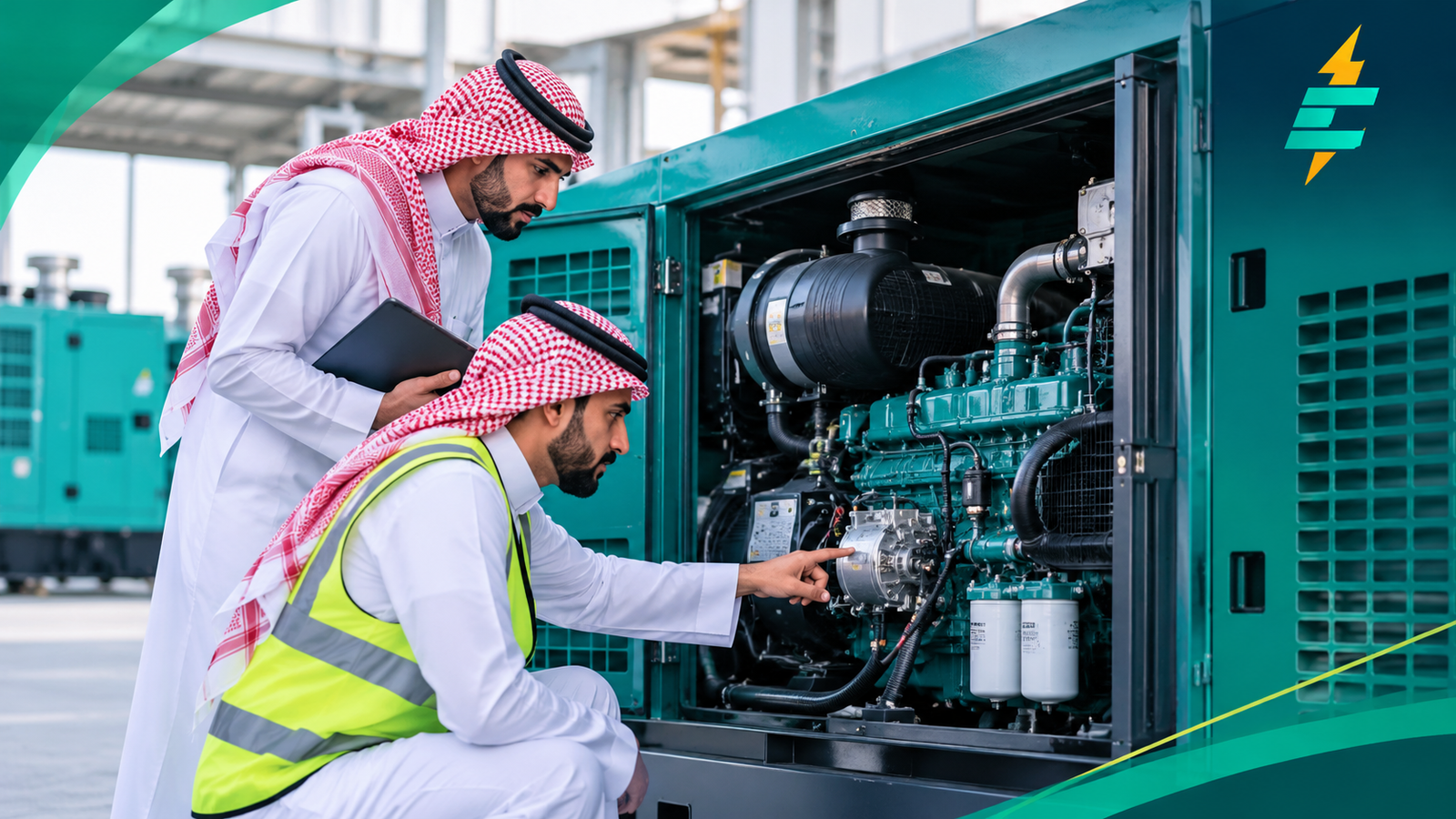

Electric generators are among the most important power sources used by individuals, businesses, industrial facilities, and commercial establishments. They provide a reliable source of electricity, especially in locations that require continuous power or backup electricity during unexpected outages.
As dependence on generators continues to grow across construction sites, factories, commercial buildings, and residential properties, understanding their main components and how they work has become increasingly important.
However, owning an electric generator does not necessarily mean knowing how to operate it efficiently. Proper operation requires following specific procedures before, during, and after startup, as well as maintaining essential components such as filters, batteries, engine oil, and cooling systems.
If you are wondering how to operate an electric generator correctly, understanding its main components is the best place to start. Knowing how each part works together to produce electricity can help you operate your equipment safely, identify potential problems early, and reduce unexpected downtime.
In this comprehensive guide, we will explore the main components of electric generators, the different types of diesel generator filters, the importance of batteries and alternators, suitable diesel engine oils, and the essential steps for operating and maintaining generators efficiently.
1. What Are the Main Components of an Electric Generator?
An electric generator consists of several mechanical and electrical components that work together to convert mechanical energy into electrical energy.
Although the exact design may vary depending on the generator type, capacity, and operating system, most diesel generators share several essential components.
1.1 Diesel Engine
The diesel engine is responsible for producing the mechanical energy required to operate the generator.
It works by burning diesel fuel inside the engine cylinders, creating pressure that moves the pistons and rotates the crankshaft.
This rotational movement is transferred to the alternator, which converts mechanical energy into electrical power.
Several factors influence diesel engine performance, including:
- The quality of diesel fuel.
- Engine oil level and condition.
- Cooling system efficiency.
- Air and fuel filter cleanliness.
- Regular maintenance.
- Operating the engine within its recommended load limits.
Maintaining the engine is essential for anyone learning how to operate an electric generator because engine performance directly affects the overall efficiency and reliability of the equipment.
1.2 Alternator
The alternator is the component responsible for converting mechanical energy from the engine into electrical energy.
It typically consists of two main parts:
- Rotor: The rotating component that produces the magnetic field.
- Stator: The stationary component containing electrical windings where voltage is induced.
The condition of the windings, insulation, bearings, and ventilation system directly affects electricity generation and output stability.
Monitoring alternator temperature, vibration, and unusual noises can help identify potential issues before they develop into major failures.
1.3 Control Panel
The control panel allows operators to monitor generator performance and manage startup and shutdown operations.
Modern generator control panels display important operating information, including:
- Output voltage.
- Electrical frequency.
- Current.
- Engine running hours.
- Engine temperature.
- Oil pressure.
- Battery voltage.
- Warning indicators and fault codes.
The available features depend on the generator model and control system.
Advanced control panels also support automatic generator operation, making them particularly useful for facilities that require uninterrupted power during electrical outages.
1.4 Fuel System
The fuel system stores diesel and delivers it to the engine in the correct quantity and pressure for combustion.
Its main components usually include:
- Fuel tank.
- Fuel supply pump.
- Fuel lines.
- Fuel filters.
- Fuel injection system.
Fuel cleanliness is essential for maintaining engine performance. Water contamination and dirt can block filters, affect fuel injection, and damage sensitive engine components.
Regularly inspecting the fuel tank, checking for leaks, and using fuel that meets the manufacturer’s specifications can help prevent these problems.
1.5 Cooling System
Diesel engines generate considerable heat during operation. Therefore, an effective cooling system is necessary to maintain the engine within its recommended operating temperature range.
Liquid-cooled generators typically include:
- Radiator.
- Water pump.
- Coolant.
- Cooling fan.
- Hoses and connections.
- Thermostat.
Some smaller generators may use air-cooling systems instead.
Low coolant levels, a blocked radiator, or a malfunctioning cooling fan can cause engine overheating, potentially resulting in automatic shutdown or serious internal damage.
1.6 Exhaust System
The exhaust system removes combustion gases from the engine and directs them away from the generator.
It usually includes exhaust pipes, silencers, and connecting components.
The exhaust system must be properly installed and free from leaks. Exhaust gases should always be directed outdoors, away from people, windows, doors, and air intakes.
Diesel exhaust may contain carbon monoxide, a highly toxic gas that cannot be detected by smell. Exposure can cause severe poisoning or death.
1.7 Generator Battery
The battery provides the electrical power required to start the diesel engine through the starter motor.
It may also supply power to control circuits and other electrical systems.
Battery capacity and voltage requirements vary depending on the generator specifications.
Regularly checking the battery condition, cleaning its terminals, and ensuring secure electrical connections can help prevent starting problems.
1.8 Charging Alternator
Many diesel generators include a dedicated charging alternator that recharges the starting battery while the engine is running.
It also supplies power to certain auxiliary electrical circuits, depending on the system design.
It is important to distinguish between the charging alternator and the main generator alternator.
The main alternator produces electricity for connected equipment, while the charging alternator maintains the starting battery’s charge.
A charging system failure may gradually weaken the battery and make restarting the generator difficult.
2. Types of Diesel Generator Filters and Their Functions
Filters play a critical role in protecting diesel engines from dust, dirt, water, and other contaminants that can affect performance.
Different filters protect different engine systems, and most diesel generators use several essential types.
2.1 Air Filter
Diesel engines require an adequate supply of clean air to support efficient combustion.
The air filter removes dust, sand, and airborne particles before they enter the engine.
This component is particularly important in dusty environments, construction sites, industrial facilities, and desert regions.
Common signs of a clogged air filter include:
- Reduced engine power.
- Increased fuel consumption.
- Excessive black smoke.
- Poor engine response under load.
Air filters should be cleaned or replaced according to the manufacturer’s instructions. Improper cleaning with compressed air may damage the filter material and reduce its effectiveness.
2.2 Fuel Filter
The fuel filter removes dirt, particles, and water from diesel before it reaches the fuel injection pump and injectors.
Depending on the engine design, the fuel system may include a primary filter, secondary filter, and water separator.
Its main purpose is to protect fuel injection components and maintain consistent combustion.
Common symptoms of fuel filter problems include:
- Difficulty starting the engine.
- Unexpected generator shutdown.
- Reduced engine performance.
- Unstable engine speed.
- Fuel system warning indicators.
Water separators should be drained when required, and fuel filters should be replaced according to the recommended maintenance schedule.
2.3 Engine Oil Filter
As engine oil circulates through the engine, it collects contaminants and small particles produced by normal operation and component wear.
The oil filter removes these contaminants before the oil reaches critical engine components.
A properly functioning oil filter helps reduce friction-related damage and protects internal components such as bearings and moving parts.
Oil filters should generally be replaced whenever the engine oil is changed, following the manufacturer’s recommendations.
2.4 Coolant Filter
Some diesel engines use coolant filters to remove contaminants and help protect the cooling system against deposits and corrosion.
Not all generators require this type of filter, as its use depends on the engine design.
Always consult the engine manual before selecting or replacing a coolant filter.
Why Is Regular Filter Replacement Important?
Neglecting filters can affect several engine systems and increase maintenance costs.
For example, a clogged air filter can reduce combustion efficiency, while a blocked fuel filter can restrict diesel flow to the engine.
Following a proper filter replacement schedule is therefore an essential part of maintaining efficient generator operation.
3. The Importance of Generator Batteries and How to Maintain Them
The generator battery is one of the most important components involved in starting the engine, particularly in generators equipped with electric starting systems.
When the operator presses the start button, the battery supplies the electrical energy needed to activate the starter motor and crank the diesel engine.
Over time, however, batteries can lose their capacity, especially when generators remain unused for extended periods or when charging system problems occur.
What Causes Generator Battery Problems?
Several factors can contribute to battery failure or reduced performance:
- Battery reaching the end of its service life.
- Insufficient or irregular charging.
- Corrosion on battery terminals.
- Charging alternator failure.
- Electrical leakage while the generator is switched off.
- Extreme temperatures.
- Using an unsuitable battery for the generator.
Common Signs of a Weak Generator Battery
Some common warning signs include:
- Slow starter motor rotation.
- Clicking sounds when attempting to start.
- Low battery voltage warnings.
- Failure to respond to the start command.
- Frequent need for battery recharging.
It is important to remember that battery-related symptoms do not always mean the battery itself is faulty. Problems may also originate from the starter motor, cables, or electrical connections.
How to Maintain a Generator Battery
1. Check Battery Voltage Regularly
Use a suitable measuring device to check battery voltage and compare the reading with the battery and charging system specifications.
2. Clean Battery Terminals
Corrosion and dirt can weaken electrical connections. Inspect the terminals regularly and clean them using appropriate safety procedures.
3. Inspect the Charging System
Ensure that the charging alternator and voltage regulator are functioning correctly and providing the required charging voltage.
4. Maintain Standby Batteries
Generators that remain unused for extended periods may require a compatible battery charger to maintain an appropriate charge level.
5. Choose the Correct Battery
Battery selection should consider voltage, capacity, cold cranking performance, physical dimensions, and terminal configuration.
These maintenance practices can improve starting reliability and help extend battery service life.
4. The Function of an Alternator in a Generator and Signs of Failure
The charging alternator plays an important role in the generator’s electrical system.
Its primary function is to recharge the starting battery while the diesel engine is running.
It uses mechanical movement from the engine to generate electrical energy, which is then supplied to the battery through the charging system.
What Is the Difference Between a Charging Alternator and the Main Generator?
These components are sometimes confused, although they perform different functions.
- Main generator alternator: Produces electricity for connected equipment and electrical loads.
- Charging alternator: Recharges the starting battery and supports auxiliary electrical systems.
Understanding this distinction makes troubleshooting easier and helps identify which component requires inspection or repair.
Common Signs of Charging Alternator Failure
Several symptoms may indicate a problem with the charging system:
- Repeated battery discharge.
- Battery warning indicators on the control panel.
- Low or unstable charging voltage.
- Unusual noises around the alternator.
- Damaged or loose drive belts, where applicable.
- Excessive alternator temperature.
How Should Alternator Problems Be Handled?
When these symptoms appear, the entire charging system should be inspected rather than focusing only on the alternator.
The inspection may include battery voltage measurements, cable and connection checks, belt inspection, voltage regulator testing, and alternator performance assessment.
These procedures should be performed by qualified technicians, especially when electrical testing is required while the engine is running.
5. Suitable Diesel Engine Oil Types for Generators
Engine oil is one of the most important factors affecting diesel generator performance and engine lifespan.
It reduces friction between moving components, helps dissipate heat, and keeps internal engine parts cleaner.
However, choosing the correct oil involves more than selecting a viscosity grade. Engine specifications, operating conditions, and ambient temperatures must also be considered.
5.1 Mineral Oil
Mineral oil is produced through the refining of crude petroleum.
It is used in certain diesel engines depending on the manufacturer’s specifications and recommended oil classifications.
It may be suitable for generators operating under particular conditions, provided the oil meets the engine requirements.
5.2 Semi-Synthetic Oil
Semi-synthetic oil combines mineral and synthetic base oils.
Its performance characteristics vary depending on the formulation and applicable oil classifications.
It may be suitable for applications requiring a balance between performance and cost, provided it is approved for the engine.
5.3 Fully Synthetic Oil
Fully synthetic oils are formulated to provide specific performance characteristics, including oxidation resistance, thermal stability, and viscosity control under different operating conditions.
However, synthetic oil is not automatically the best choice for every generator.
The manufacturer’s recommendations should always take priority.
What Does Oil Viscosity Such as 15W-40 Mean?
Oil viscosity grades describe how oil behaves at different temperatures.
For example, the 15W rating indicates its low-temperature viscosity performance, while the 40 rating represents its viscosity at higher operating temperatures under standardized testing conditions.
The correct viscosity depends on engine design, ambient temperature, and operating requirements.
How to Choose the Right Diesel Engine Oil
Before purchasing engine oil, consider the following:
- Engine manufacturer’s recommendations.
- API or ACEA classifications, where applicable.
- Recommended viscosity grade.
- Ambient operating temperature.
- Expected operating hours.
- Fuel type.
- Generator load conditions.
One common mistake is choosing engine oil based only on its brand without checking whether its specifications match the engine requirements.
When Should Generator Engine Oil Be Changed?
There is no single oil change interval suitable for every generator.
The correct interval depends on engine specifications, operating hours, environmental conditions, and manufacturer recommendations.
High temperatures, dusty environments, and continuous heavy loads may affect oil service life.
Maintaining a service record that includes oil change dates, operating hours, and oil specifications helps organize maintenance activities and prevent unnecessary engine wear.
6. How to Operate an Electric Generator Correctly
Operating an electric generator correctly involves several procedures, beginning with pre-start inspections and continuing through engine startup, load connection, monitoring, and shutdown.
Specific procedures may differ depending on the generator model and control system. Therefore, the manufacturer’s operating manual should always be followed.
Step 1: Inspect the Generator Before Starting
Before operating the generator, perform a visual and mechanical inspection to ensure that all essential systems are ready.
This inspection should include:
- Checking the engine oil level.
- Inspecting coolant levels in liquid-cooled generators.
- Ensuring sufficient diesel fuel is available.
- Checking filters and electrical connections.
- Inspecting for fuel, oil, or coolant leaks.
- Checking battery condition and connections.
- Ensuring the surrounding area is clear of obstructions.
The generator must be installed outdoors in a safe, properly ventilated location, with exhaust gases directed away from people and building openings.
Important safety warning: Never operate a generator inside a house, garage, or enclosed or partially enclosed space, even when doors and windows are open. Carbon monoxide can accumulate quickly and cause fatal poisoning.
Step 2: Disconnect Electrical Loads
Before starting the generator, ensure that electrical loads are disconnected or that the output breaker is positioned according to the manufacturer’s startup procedure.
This prevents the engine from experiencing an unexpected electrical load during startup.
The electrical connection system must also be properly installed.
A suitable transfer switch should be used when connecting a generator to a building’s electrical system to prevent dangerous backfeeding into the public electricity network.
Step 3: Start the Generator Engine
Once the inspection is complete, start the engine using the method specified in the manufacturer’s manual.
Generators equipped with electric starting systems can typically be started through a dedicated switch or control panel.
Automatic generators may start when their control systems detect a power outage, depending on the configured settings.
If the engine fails to start, avoid repeated random attempts. Check the control panel for warning indicators and identify the cause before trying again.
Step 4: Allow the Engine to Stabilize Without Load
After successful startup, allow the engine to reach stable operating conditions according to the manufacturer’s instructions.
During this period, monitor:
- Engine oil pressure.
- Coolant temperature.
- Battery voltage.
- Engine speed.
- Unusual noise or vibration.
- Fuel, oil, or coolant leaks.
- Control panel alarms.
Electrical loads should not be connected until the generator’s output and engine operation are stable.
Step 5: Connect Electrical Loads Gradually
Once voltage, frequency, and engine operation have stabilized, electrical loads can be connected gradually within the generator’s rated capacity.
Avoid exceeding the generator’s recommended operating limits.
Special attention should be given to equipment containing electric motors, such as pumps and air conditioners, because these devices may require significantly higher current during startup.
Proper load management helps improve generator efficiency and reduces the risk of overheating and unexpected shutdowns.
Step 6: Monitor Generator Performance During Operation
After connecting the loads, regularly monitor the generator’s operating readings.
Important indicators include:
| Parameter | What to Monitor |
| Output voltage | Remains within the specified range |
| Frequency | Stable according to system requirements |
| Oil pressure | Does not fall below the recommended limit |
| Engine temperature | Remains within operating limits |
| Electrical load | Does not exceed rated capacity |
| Fuel level | Sufficient for the required operating period |
| Vibration | No unusual vibration or movement |
If an alarm appears or an abnormal reading is detected, follow the manufacturer’s instructions and shut down the generator if the warning requires immediate action.
Step 7: Shut Down the Generator Correctly
Proper shutdown is just as important as correct startup.
Stopping the engine incorrectly, particularly after heavy operation, may affect certain components.
A typical shutdown procedure includes:
- Gradually disconnecting electrical loads.
- Confirming that the output breaker is disconnected according to the operating procedure.
- Allowing the engine to run without load for the cooling period specified by the manufacturer, if required.
- Stopping the engine through the designated control panel or shutdown switch.
- Confirming that the generator has stopped normally.
- Recording operating hours and any performance observations.
Never disconnect the battery or disable control circuits randomly while the generator is running.
7. How to Operate a Home Electric Generator
Home generators differ from industrial generators in capacity, design, and connection requirements. However, they also require proper operation and safety procedures.
When learning how to operate a home electric generator, the first step is identifying which appliances need to be powered and calculating their total electrical requirements.
Generator capacity should not be selected based only on normal electricity consumption. Starting current requirements for certain appliances must also be considered.
Important operating steps include:
- Positioning the generator outdoors in a safe location, away from doors, windows, and air intakes.
- Checking oil and fuel levels.
- Inspecting electrical connections and battery condition.
- Disconnecting electrical loads before startup.
- Starting the generator according to the manufacturer’s instructions.
- Allowing voltage and frequency to stabilize.
- Connecting appliances gradually through a properly installed electrical system.
A home generator must be connected to the building’s electrical panel through a suitable transfer switch installed by a qualified electrician.
Never connect a generator directly to a household wall outlet, as this can cause dangerous backfeeding.
Generators must never be operated in enclosed spaces, and fuel must never be added while the engine is running or hot.
8. How Many Hours Can a Diesel Generator Operate?
One of the most common questions among business owners and facility managers is how many hours a diesel generator can operate continuously.
The answer depends on generator design, power rating, load conditions, operating environment, and maintenance schedule.
Some generators are designed for extended operation under prime or continuous power ratings, while others are intended for standby use during temporary power outages.
Factors That Determine Diesel Generator Operating Hours
1. Generator Power Rating
Generator ratings determine the type of operation the equipment is designed to support.
Common classifications include:
- Standby Power: Designed for backup use during interruptions in the primary power supply.
- Prime Power: Designed for use as a primary power source under specified operating conditions.
- Continuous Power: Designed for continuous operation within the manufacturer’s defined limits.
These ratings are not interchangeable. Each has different requirements regarding load and operating duration.
2. Electrical Load Level
Operating a generator above its rated capacity may cause excessive heat, increased fuel consumption, and mechanical stress.
On the other hand, operating some diesel generators at very low loads for extended periods may contribute to carbon buildup and incomplete combustion.
3. Regular Maintenance
Oil quality, filter condition, cooling system performance, and fuel cleanliness directly affect the engine’s ability to operate reliably for extended periods.
4. Environmental Conditions
High temperatures, dust, and humidity can affect generator performance, especially when cooling and ventilation systems are not properly maintained.
Therefore, diesel generator operating hours should never be determined by engine size or fuel type alone. Always refer to the generator’s power rating and manufacturer’s operating instructions.
9. Common Generator Problems During Operation and How to Handle Them
Even when proper operating procedures are followed, generators may experience problems due to normal wear, poor maintenance, or component failure.
Recognizing common symptoms can help operators identify issues early and reduce downtime.
9.1 Generator Fails to Start
Possible causes include:
- Weak or discharged battery.
- Starter motor failure.
- Insufficient fuel.
- Blocked fuel filter.
- Air trapped in the fuel system.
- Activated protection system.
- Control panel malfunction.
Check the control panel alarms and diagnostic readings before attempting another startup.
9.2 Engine Overheating
Overheating may result from low coolant levels, a blocked radiator, a faulty cooling fan, or restricted airflow.
If the temperature exceeds the manufacturer’s limits, the generator should be shut down according to the emergency procedure.
Never open the radiator cap while the engine is hot or the cooling system is pressurized.
9.3 Black Smoke from the Exhaust
Excessive black smoke may indicate an incorrect air-to-fuel ratio, a clogged air filter, fuel injection problems, or engine overloading.
A qualified technician should inspect the engine to identify the exact cause.
9.4 Low Electrical Output Voltage
Low voltage may be caused by excessive electrical loads, voltage regulator problems, excitation system faults, or damaged connections.
Measure the output voltage and compare it with the generator’s specifications before continuing to operate connected equipment.
9.5 Unstable Electrical Frequency
Unstable frequency may indicate engine speed problems, governor malfunctions, or sudden load changes.
This issue requires technical inspection to prevent potential damage to connected electrical equipment.
9.6 Fuel or Oil Leakage
Any leakage should be investigated immediately, even when the amount appears small.
Leaks can reduce oil or fuel levels and may create serious fire hazards.
Identify and repair the source before restarting the generator.
10. Why Professional Generator Operating Experience Matters
Operating a generator involves much more than pressing a start button or switching off a circuit breaker.
It requires technical knowledge to understand operating indicators, manage electrical loads, identify abnormal conditions, and respond to equipment problems.
This is where professional generator operating experience becomes especially important, particularly in industrial facilities, commercial buildings, and construction projects that depend on reliable power.
What Skills Should a Generator Operator Have?
A qualified generator operator should understand:
- Mechanical and electrical generator components.
- Control panels and warning indicators.
- Proper startup and shutdown procedures.
- Voltage, frequency, and load monitoring.
- Fuel, cooling, and lubrication systems.
- Early warning signs of equipment failure.
- Electrical and mechanical safety procedures.
- Operating hour and maintenance records.
When Do You Need a Professional Generator Technician?
Professional technical support is particularly important in situations involving:
- Operating high-capacity industrial generators.
- Generator installation and electrical connections.
- Automatic transfer switch configuration.
- Control panel troubleshooting.
- Low oil pressure or engine overheating.
- Testing generator protection systems.
- Mechanical and electrical maintenance.
Hiring a qualified generator technician helps reduce operating mistakes, improve equipment readiness, and maintain reliable power supply.
11. How to Maintain Generator Operating Efficiency
Maintaining generator efficiency requires more than repairing equipment after a failure occurs.
A preventive maintenance program helps monitor essential components, reduce unexpected breakdowns, and extend equipment service life.
Here are some important practices:
11.1 Establish a Preventive Maintenance Schedule
Create a maintenance schedule covering engine oil, filters, battery condition, coolant, belts, hoses, and electrical connections.
The timing of each maintenance activity should follow the manufacturer’s recommendations and actual operating hours.
11.2 Record Operating Hours
The generator’s hour meter helps determine when maintenance activities are due.
Recording operating hours also makes it easier to schedule oil changes, filter replacements, and comprehensive inspections.
11.3 Test the Generator Regularly
Generators should be tested according to their operating classification and manufacturer’s instructions.
Testing should verify that the generator can handle the required electrical loads.
Extended operation without an appropriate load may not be suitable for certain diesel engines, so load testing should follow the manufacturer’s recommendations.
11.4 Use High-Quality Fuel
Diesel fuel should be stored properly to prevent water contamination and dirt accumulation.
The fuel tank and supply system should also be inspected regularly.
11.5 Inspect the Cooling System
Check coolant levels, radiator condition, hoses, and cooling fan operation.
Overheating is one of the problems that can significantly affect engine performance and service life.
11.6 Monitor Electrical Loads
Ensure that electrical loads are distributed correctly and remain within the generator’s rated capacity.
Starting current requirements should also be considered when connecting electrical equipment.
11.7 Work with Qualified Technicians
Certain inspection and repair procedures require technical expertise and specialized measuring equipment.
Avoid making electrical or mechanical modifications without the appropriate qualifications.
For professional support, explore our Diesel Generator Maintenance Services to help maintain generator performance and equipment reliability.
12. Is Buying or Renting an Electric Generator Better?
Choosing between purchasing and renting a generator depends on project requirements, usage duration, budget, and required electrical capacity.
There is no single solution suitable for every business. The best option depends on how frequently the generator will be used and the total cost of ownership or rental.
When Is Buying a Generator the Right Choice?
Purchasing a generator is often suitable for facilities that require a permanent primary or backup power source.
Key advantages include:
- Full ownership and control over equipment.
- The ability to select equipment based on specific requirements.
- Long-term use without rental commitments.
- Greater flexibility in operating schedules.
- The ability to organize maintenance according to business needs.
If you are looking for a suitable generator for your project, explore our Electric Generator Sales Services to discover available solutions.
When Is Renting a Generator a Better Option?
Generator rental can be a practical solution for temporary projects, construction sites, events, and locations that require electricity for a limited period.
Its main advantages include:
- Avoiding the initial cost of purchasing equipment.
- Access to generators suitable for project requirements.
- Flexibility in selecting the required power capacity.
- Potential access to maintenance and technical support, depending on the rental agreement.
- The ability to change equipment when project requirements change.
Explore our Electric Generator Rental Services to find a suitable power solution for your project.
13. How to Choose the Right Electric Generator for Your Needs
Before purchasing or renting a generator, evaluate several important factors to avoid selecting equipment with insufficient or excessive capacity.
13.1 Calculate Your Total Electrical Load
Start by identifying all equipment and appliances that need to operate simultaneously.
Calculate their electrical requirements and distinguish between real power and apparent power, taking power factor and load characteristics into account.
13.2 Consider Starting Current Requirements
Certain equipment, including air conditioners, pumps, and compressors, requires additional current during startup.
Therefore, generator capacity should account for starting requirements rather than relying only on normal operating consumption.
13.3 Determine the Intended Application
Will the generator be used only for emergencies, as a primary electricity source, or for extended daily operation?
Understanding the intended application helps determine the appropriate generator rating.
13.4 Select the Appropriate Fuel Type
Generators are available with different fuel systems. Diesel generators are widely used in commercial and industrial applications because many diesel models are designed to support substantial loads and extended operating periods.
The correct choice depends on operating requirements and equipment specifications.
13.5 Consider After-Sales Support
Generator selection should not be based on purchase price alone.
Check the availability of spare parts, maintenance services, and technical support.
Working with a specialized provider can reduce future operating costs and help prevent unexpected equipment problems.
Frequently Asked Questions About Electric Generator Operation and Components
What Are the Main Components of an Electric Generator?
The main components include the diesel engine, main alternator, control panel, fuel system, cooling system, exhaust system, battery, charging system, and essential filters.
Each component performs a specific function to ensure reliable electricity generation.
What Should Be Checked Before Starting a Generator?
Check engine oil, fuel, and coolant levels, inspect the battery and electrical connections, and ensure there are no leaks.
The generator must also be positioned in a safe outdoor location with adequate ventilation.
Can a Diesel Generator Run All Day?
This depends on the generator’s power rating, engine specifications, load level, operating conditions, and maintenance schedule.
Some generators are designed for extended operation, while others are intended only for standby applications.
Always follow the manufacturer’s operating limits.
What Is the Function of an Air Filter in a Diesel Generator?
An air filter prevents dust and airborne particles from entering the engine.
This helps maintain efficient combustion and protects internal engine components from premature wear.
Does Engine Oil Affect Generator Efficiency?
Yes. Proper engine oil reduces friction, helps control operating temperatures, and protects moving components.
Oil should always be selected according to the engine manufacturer’s specifications.
Why Does a Generator Fail to Start Even When There Is Fuel?
Possible causes include a weak battery, starter motor problems, a blocked fuel filter, air in the fuel system, or an activated protection system.
Check the control panel and identify the actual fault before repeating startup attempts.
What Is the Difference Between a Charging Alternator and the Main Generator Alternator?
The charging alternator recharges the starting battery while the engine is running.
The main generator alternator produces electricity for connected equipment and electrical loads.
When Should You Hire a Professional Generator Technician?
Professional assistance is recommended for generator installation, electrical connections, automatic startup systems, mechanical or electrical faults, and maintenance procedures that require technical expertise.
Get Reliable Generator Solutions with S-Energy
Understanding generator components and how each part works is essential for safe operation and long-term performance. However, maintaining generator efficiency also requires selecting the right equipment, following proper operating procedures, and investing in regular maintenance.
Whether you need an electric generator for a new project, a reliable backup power source for your facility, or temporary generator rental, choosing an experienced provider can help you find the right solution.
S-Energy provides generator solutions covering sales, rental, and maintenance, with professional support to help customers identify suitable equipment for their operating requirements.
Visit the official S-Energy website to explore our services and discover the right generator solution for your business.
For personalized assistance and technical consultation, contact our team and let us help you choose the right power solution for your project.