
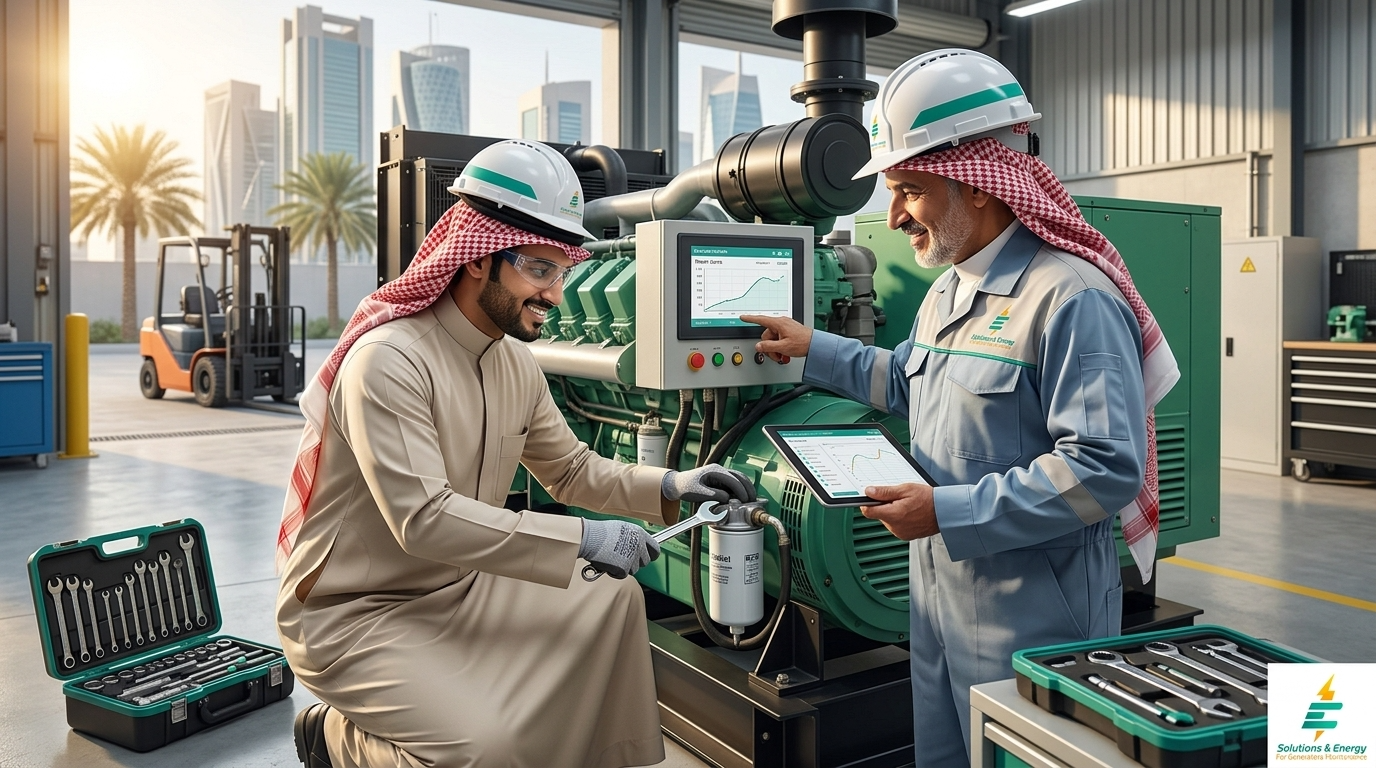

Imagine relying on a generator to power your home, commercial facility, or industrial project, only for it to suddenly stop working when electricity is needed most. This situation can disrupt operations, delay production, and increase repair costs, especially when the generator has not been maintained regularly.
This is where diesel generator maintenance becomes essential. Regular maintenance helps maintain a stable power supply, reduce unexpected breakdowns, and ensure that the generator is ready to operate whenever needed. Regardless of its quality or power capacity, every generator requires ongoing attention to its engine, fuel system, cooling system, lubrication system, and electrical components.
Maintenance is not limited to repairing problems after they occur. It begins with regular inspections, performance monitoring, and identifying early warning signs before they develop into costly failures. Maintenance requirements also vary depending on the generator’s capacity, operating conditions, running hours, and surrounding environment.
In this comprehensive guide, we will explore the fundamentals of diesel generator maintenance, its importance, the different types of maintenance, recommended maintenance schedules, and the correct way to inspect an electric generator. We will also cover common diesel generator problems and explain how to address them safely and effectively.
What Is Diesel Generator Maintenance?
Diesel generator maintenance refers to a set of technical procedures and routine inspections designed to maintain generator efficiency, ensure the proper condition of mechanical and electrical components, and reduce the risk of unexpected shutdowns.
A typical diesel generator consists of a diesel engine, an electrical generator that converts mechanical energy into electrical energy, and supporting systems such as cooling, lubrication, fuel delivery, control, and protection systems. Each component plays an important role, which means neglecting one part can affect the performance of the entire system.
For example, a clogged fuel filter can restrict fuel delivery to the engine, while low engine oil levels can increase friction and operating temperatures. Battery problems or faults in the starting system may also prevent the generator from starting when needed.
For this reason, diesel generator maintenance should treat the generator as an integrated system rather than simply an engine that needs an occasional oil change.
Basic maintenance activities include:
- Checking engine oil levels and condition and changing the oil according to the manufacturer’s recommendations.
- Inspecting air, fuel, and oil filters.
- Checking the cooling system, coolant levels, and potential leaks.
- Inspecting the battery, electrical connections, and starting system.
- Reviewing electrical connections, the control panel, and protective devices.
- Checking the fuel tank and fuel supply lines.
- Monitoring unusual noises, vibrations, and operating temperatures.
- Testing the generator under an appropriate load according to the manufacturer’s instructions and safety procedures.
Tasks that require specialized technical expertise should be performed by qualified technicians, especially when working with electrical systems, hot engine components, or load-testing equipment.
Why Is Regular Generator Maintenance Important?
A generator may operate for extended periods without showing obvious problems, but this does not necessarily mean that all its components are functioning efficiently. Some faults develop gradually, including declining battery performance, clogged filters, or minor leaks in hoses and connections.
Following a regular diesel generator maintenance schedule helps identify these issues early, before they affect the generator’s ability to supply power reliably.
1. Reducing Unexpected Breakdowns
One of the main benefits of routine maintenance is identifying early warning signs before they develop into serious failures. For example, battery inspections can reveal reduced starting capacity, while fuel system checks can identify potential blockages or leaks.
This is particularly important for facilities that rely on generators as backup power sources, including warehouses, factories, commercial buildings, and locations that require uninterrupted operations.
2. Extending Generator Lifespan
Maintaining appropriate oil levels, keeping filters clean, and monitoring operating temperatures help reduce stress on the engine and mechanical components.
Regular diesel generator maintenance also helps identify worn parts before they damage other components. This can extend the generator’s service life while helping it maintain performance within the manufacturer’s specified limits.
3. Improving Fuel Efficiency
Increased fuel consumption may result from a dirty air filter, inefficient combustion, an unsuitable operating load, or problems with the fuel injection system.
Routine maintenance helps identify these factors and improve operating efficiency. However, fuel consumption also depends on generator capacity, load percentage, and the type of equipment connected to the generator.
4. Maintaining Stable Electrical Power
Generator performance depends on more than engine capacity. The condition of the alternator, voltage regulator, control systems, and protective devices also plays an important role.
Regular technical inspections can help identify issues that may cause voltage fluctuations or frequency instability, helping protect connected electrical equipment.
5. Reducing Long-Term Repair Costs
Addressing minor problems is generally less complicated than repairing failures that have worsened due to neglect. Replacing a worn filter or fixing a small leak early may prevent more extensive damage later.
For this reason, diesel generator maintenance costs should be considered part of the overall cost of operating a generator rather than an unnecessary additional expense.
6. Improving Operational Safety
Inspecting protective systems, electrical connections, and potential leaks helps reduce certain risks associated with generator operation. It can also identify problems that may cause overheating, fuel leakage, or electrical faults.
Diesel generators require appropriate ventilation because their exhaust contains carbon monoxide, a toxic gas that cannot be reliably detected by smell. Generators must therefore operate in properly designed locations, away from enclosed spaces, windows, and air intakes.
When Does a Generator Need Maintenance?
There is no single maintenance schedule that suits every generator. Requirements depend on the manufacturer’s recommendations, operating hours, generator capacity, site conditions, fuel quality, and the nature of the connected loads.
However, generator maintenance can generally be organized into pre-start inspections, routine operational checks, and scheduled servicing based on running hours or elapsed time.
Before Starting the Generator
A visual inspection should be performed before starting the generator. Check for leaks, loose components, damaged parts, and obstructions around ventilation openings.
Review fuel, engine oil, and coolant levels according to the manufacturer’s instructions, and check the control panel for warnings or unusual indicators.
If there is an obvious leak, damaged cable, or serious warning on the control panel, avoid operating the generator until the issue has been assessed by a qualified person.
During Operation
Monitoring the generator while it is running helps identify changes that may not be visible during a visual inspection.
Pay attention to unusual noises, excessive vibrations, rising temperatures, abnormal exhaust smoke, and voltage or frequency fluctuations. Monitor the control panel and ensure the generator operates within the limits specified in its operating manual.
This monitoring is an important part of diesel generator maintenance because it connects routine inspections with actual operating performance.
After a Specified Number of Operating Hours
Manufacturers specify intervals for inspecting components and replacing oil and filters. These intervals may be based on operating hours or elapsed time, whichever comes first, depending on the generator model and operating conditions.
Rather than applying the same schedule to every generator, always consult the maintenance manual for the specific model.
After Extended Periods of Inactivity
A generator that has remained unused for an extended period may require additional inspection before returning to service, particularly if it has been stored in a humid, dusty, or temperature-variable environment.
Check the battery, fuel condition, hoses, electrical connections, and any signs of leakage or corrosion. Perform an appropriate operational test according to the manufacturer’s instructions.
Types of Diesel Generator Maintenance
Understanding the different types of maintenance is essential because each serves a specific purpose and is appropriate at a different stage of the generator’s operating life.
1. Preventive Maintenance
Preventive maintenance involves planned activities performed before a failure occurs. Its purpose is to reduce the likelihood of breakdowns and maintain equipment efficiency.
Examples include changing oil and filters at scheduled intervals, checking the battery, inspecting the cooling system, cleaning components where permitted by the manufacturer, and verifying the condition of electrical connections.
Preventive maintenance is the foundation of an effective diesel generator maintenance program because it helps organize work and distribute costs throughout the year instead of dealing with unexpected repairs that are difficult to plan for.
It is also important to document every maintenance activity, including the service date, operating hours, materials used, and technical observations. These records make it easier to track the generator’s condition over time.
2. Corrective Maintenance
Corrective maintenance is performed when a fault or malfunction is identified and requires attention before the generator can return to proper operation.
It may involve repairing a leak, replacing a damaged battery, addressing a cooling system problem, repairing an electrical component, or replacing a part that has reached the end of its service life.
The complexity of corrective maintenance depends on the cause of the problem and the extent to which other generator components have been affected.
Importantly, the repair process should address the root cause rather than simply treating the visible symptom. For example, restarting an overheating generator without identifying the cause may result in repeated failures or more extensive damage.
3. Predictive Maintenance
Predictive maintenance relies on monitoring equipment condition and analyzing performance indicators to identify potential failures before they occur.
It may involve vibration measurements, temperature trend analysis, monitoring oil pressure data, tracking fuel consumption, and oil analysis where appropriate.
This approach is particularly useful in industrial facilities and locations where generators operate for extended periods. Technical data can help determine the most suitable time to perform maintenance.
4. Comprehensive Scheduled Maintenance
Comprehensive scheduled maintenance includes a range of inspections and procedures performed according to a defined plan. It may require specialized technicians and appropriate measuring equipment.
Depending on the generator, this maintenance may include inspections of the engine, cooling system, fuel system, battery, electrical connections, control panel, and protective devices.
The scope of work should be determined by the generator’s condition, operating hours, manufacturer’s instructions, and the results of previous inspections.
Preventive vs. Corrective Generator Maintenance
Although both types of maintenance aim to maintain generator performance, their main difference lies in when the work is performed and why it is necessary.
| Comparison | Preventive Maintenance | Corrective Maintenance |
| Timing | Performed according to a planned schedule before failure | Performed after a fault or malfunction is identified |
| Objective | Reduce the likelihood of breakdowns | Fix the problem and restore proper operation |
| Typical activities | Inspections and scheduled replacements | Diagnosis, repairs, or component replacement |
| Planning | Easier to schedule and budget for | May require urgent intervention |
| Effect on downtime | Helps reduce unplanned downtime | May require the generator to remain out of service until repairs are complete |
In practice, corrective maintenance cannot be eliminated entirely because some failures may occur even when preventive maintenance is performed consistently. However, a clear maintenance plan helps reduce risks and improve operational readiness.
If a facility depends on its generator as a primary or essential backup power source, it is advisable to plan diesel generator maintenance in advance, define inspection responsibilities, schedule follow-ups, and establish procedures for responding to breakdowns.
How to Inspect an Electric Generator Step by Step
A thorough inspection begins with checking the generator’s general condition, followed by reviewing its main systems and performing suitable operational tests by qualified personnel.
Inspecting an electric generator does not mean that users should carry out every technical task themselves. Some basic checks can be performed according to the operating manual, while electrical measurements and repair work require specialized technical expertise.
Step 1: Perform a Visual Inspection
Start by examining the generator’s exterior and the surrounding area. Check for oil, fuel, or coolant leaks, and look for signs of rust, damage, corrosion, or loose components.
Ensure that nothing blocks ventilation openings or restricts airflow. If the generator operates inside a dedicated enclosure, verify that its ventilation and exhaust systems are functioning as intended.
Step 2: Check the Engine Oil
Engine oil reduces friction, helps dissipate heat, and protects internal components against wear. Low oil levels or unsuitable oil can therefore affect generator performance.
Check the oil level using the procedure specified in the manufacturer’s manual. The generator should be stopped and placed in the appropriate condition for accurate measurement.
Checking the oil level alone is not sufficient. Follow the recommended oil change intervals and watch for unusual changes in color, consistency, or level. Consult a technician if the oil shows signs of a potential problem.
Step 3: Inspect the Fuel System
The fuel system should be checked for the condition of the tank, fuel lines, connections, and filters. Look for visible leaks or signs of fuel contamination.
Water or impurities in diesel fuel may cause combustion problems and fuel injection issues. Follow the manufacturer’s instructions for draining water from the designated separator and replacing the fuel filter.
Do not open fuel injection lines or work on high-pressure fuel systems without appropriate training and equipment.
Step 4: Inspect the Air Filter
The air filter prevents dust and contaminants from entering the engine. When it becomes clogged, airflow may decrease, affecting combustion performance and fuel consumption.
Air filter maintenance involves checking its condition and any available restriction indicators, then cleaning or replacing the filter according to the manufacturer’s instructions. Some filters are designed for replacement rather than cleaning, and improper cleaning methods may damage the filter material.
Step 5: Check the Cooling System
Verify that the coolant level is appropriate, hoses and connections show no visible leaks, and the radiator and ventilation openings are not obstructed.
Never open the cooling system cap while the engine is hot, as pressurized hot coolant can cause severe burns.
If overheating occurs repeatedly, investigate the underlying cause rather than simply adding coolant each time.
Step 6: Inspect the Battery and Starting System
A generator that fails to start may have a weak battery, corroded terminals, loose connections, or a fault in the starting circuit.
Inspect the battery and visible connections. Measure voltage or perform additional tests when necessary using a qualified technician. If the generator includes a dedicated battery charger, verify that it is functioning correctly.
Step 7: Review the Electrical Systems
A technical inspection may include the electrical connections, control panel, voltage regulator, and protective devices, depending on the generator design.
Specialized measuring instruments may be required to verify voltage, frequency, grounding, and the response of protective systems.
Before electrical work begins, isolate the relevant power sources and follow appropriate lockout and safety procedures. Never touch exposed electrical components or attempt repairs without the required qualifications.
Step 8: Perform an Operational Test
After confirming that the main components are in suitable condition, perform an operational test according to the manufacturer’s manual and site procedures.
Monitor engine indicators, listen for unusual noises, review voltage and frequency, observe operating temperatures, and check for warning messages.
Load testing should be performed by qualified technicians using appropriate equipment, particularly when sensitive loads are connected or when the test requires isolation from the main power supply.
How to Check a Generator During a Power Outage
When the electricity supply fails, a facility may need to start its generator quickly. However, urgency should never come at the expense of safety.
If the generator is designed for automatic operation, verify that the automatic transfer system is functioning according to its settings, the battery is charged, and the control panel does not display an alarm that prevents startup.
For manual operation, follow the startup sequence provided in the manufacturer’s manual. Confirm that the generator is configured for operation and that there are no obvious warning signs.
If the generator does not start, review visible indicators without dismantling components or bypassing protective systems. These may include:
- The displayed fuel level.
- Battery condition and starting system warnings.
- Any alarms shown on the control panel.
- Low oil pressure or high engine temperature indicators.
- The starting switch and system settings, according to the operating manual.
If the problem persists, avoid repeated startup attempts, as these may worsen the fault or drain the battery.
A generator inspection checklist for power outages can help document the generator’s condition before, during, and after operation. It should record any startup failure, the action taken, and the time the generator returned to service.
Electric Generator Inspection Checklist
An inspection checklist helps standardize maintenance procedures among technicians and operators while reducing the risk of overlooking essential checks.
The following template can be used as an initial checklist and adapted to the generator type and manufacturer’s instructions.
| Inspection Item | What to Check | Result |
| Exterior condition | No visible damage or leaks | Pass / Follow-up required |
| Engine oil | Oil level and condition according to the manual | Pass / Follow-up required |
| Fuel system | Fuel level, fuel lines, and filters | Pass / Follow-up required |
| Air filter | Filter condition and restriction indicators | Pass / Follow-up required |
| Cooling system | Coolant level and hose condition | Pass / Follow-up required |
| Battery | Battery condition and visible connections | Pass / Follow-up required |
| Control panel | No unresolved warning alarms | Pass / Follow-up required |
| Operation | Startup response and stable indicators | Pass / Follow-up required |
| Voltage and frequency | Readings meet required specifications | Technician inspection |
| Notes | Record faults, actions taken, and inspection date | Details recorded |
The checklist should also include the site name, generator identification number, operating hours, inspection date, responsible person’s name, and next scheduled maintenance date.
Inspection results should be documented even when no problems are found. These records help compare performance over time and identify gradual changes.
Common Diesel Generator Problems and Their Causes
Different faults can produce similar symptoms, so it is not always possible to identify the exact cause from the visible symptom alone. However, understanding common problems helps operators describe the situation to a technician and take appropriate initial action.
1. The Generator Will Not Start
Possible causes include a weak battery, insufficient fuel, a fault in the starting circuit, or an alarm that prevents the engine from starting.
Check the visible indicators and operating manual. If the cause remains unclear or the problem continues, arrange a technical inspection.
2. The Generator Starts and Then Stops
This may be caused by interrupted fuel delivery, high engine temperature, low oil pressure, or activation of a protective system.
Review the alarm history before attempting another startup. Never bypass protective systems to force the generator to continue running.
3. Engine Overheating
Overheating may result from low coolant levels, a blocked radiator, restricted airflow, or a fault in another cooling system component.
If a high-temperature warning appears, follow the safe shutdown procedure and do not open the cooling system while it is hot.
4. Low Electrical Output
Reduced output may be linked to an engine, fuel, or air supply problem, excessive load, or a fault in the electrical system.
Diagnosis requires comparing the actual load with the generator’s rated capacity and taking technical measurements when necessary.
5. Unusual Exhaust Smoke
A change in exhaust smoke color may indicate a combustion, fuel, or air intake problem. However, its meaning depends on operating conditions and engine design.
If unusual smoke continues, shut down the generator safely when necessary and request a technical inspection to identify the cause.
6. High Fuel Consumption
High fuel consumption may result from operating under unsuitable load conditions, clogged filters, fuel injection problems, or declining engine efficiency.
Tracking fuel consumption against operating hours and load levels can help identify changes that require further investigation.
7. Unusual Vibrations or Noises
These may be associated with loose components, mounting issues, bearing problems, or engine faults. In some cases, they may indicate a problem requiring urgent attention.
Do not ignore these signs, especially if they appear suddenly or are accompanied by overheating or reduced performance.
How to Maintain an Electric Generator and Extend Its Service Life
Maintaining a generator properly requires a combination of good practices rather than a single maintenance task. These practices help preserve equipment condition and reduce the likelihood of damage.
Follow the Manufacturer’s Manual
The generator manual should be the primary reference for oil and filter replacement intervals, approved fluids, operating procedures, and load limits.
Maintenance requirements can differ between two generators with the same rated capacity because of differences in design, engine type, and operating conditions.
Use Suitable Fuel and Lubricants
Using the correct fuel and lubricants helps protect the engine and fuel injection system. Fuel should also be stored and handled according to safety guidelines to reduce the risk of contamination or water ingress.
Keep the Generator Area Clean
Removing dust and debris from the surrounding area helps maintain airflow, improve ventilation, and make leaks easier to detect.
Cleaning must be performed safely. Avoid allowing liquids to enter electrical components or using materials that could damage sensitive parts.
Avoid Unsuitable Loads
Generator capacity should be selected according to the site’s electrical requirements, including continuous loads and the starting current of motors and other equipment.
Do not exceed the generator’s rated operating limits. For certain engine types, prolonged operation at very low loads may also be undesirable, so follow the manufacturer’s guidance.
Record Operating Hours
Tracking operating hours makes it easier to schedule maintenance accurately instead of relying on memory or estimates.
Record any performance changes, fuel consumption variations, or warning messages. This information can help technicians diagnose problems when they arise.
Do Not Ignore Periods of Inactivity
Generators that are not used daily still require appropriate maintenance. Batteries, fuel quality, and certain components may deteriorate during extended periods of storage or inactivity.
Follow the manufacturer’s recommendations for readiness checks and operational testing. Avoid running the generator arbitrarily or subjecting it to unsuitable loads.
Generator Filter Maintenance and Its Importance
Filters play an essential role in protecting the engine and maintaining operating efficiency by reducing the amount of contamination entering systems involved in combustion and lubrication.
Air Filter
The air filter prevents dust and particles from entering the engine. A clogged filter may reduce combustion efficiency or increase fuel consumption, depending on operating conditions and engine design.
Fuel Filter
The fuel filter helps prevent contaminants from reaching the injection system. Replace it according to the recommended intervals and follow the manufacturer’s instructions if the fuel system needs to be bled afterward.
Oil Filter
The oil filter captures certain contaminants in the engine oil, helping protect internal components against wear.
Do not postpone filter replacement simply because the generator is still running. Normal-looking operation is not enough to determine whether a filter remains in suitable condition.
Always use filters compatible with the generator model, as an unsuitable replacement may affect filtration efficiency or the flow of air and fluids.
Maintenance of Home and Portable Generators
Maintenance requirements vary according to where and how a generator is used, even when both types rely on diesel engines.
Home Generator Maintenance
Home generators are often used as backup power sources during outages. They may remain inactive for extended periods, making battery readiness, starting systems, fuel levels, and fluid condition particularly important.
The generator must be installed outdoors in a suitable location or in a properly designed area that meets ventilation and exhaust requirements. It must remain away from windows, air intakes, and locations where exhaust gases could accumulate.
A qualified electrician should handle connections to the home’s electrical system and transfer equipment to prevent dangerous backfeeding into the public electricity network.
Portable Generator Maintenance
Portable generators face additional challenges because of transportation, changing operating locations, dust exposure, and vibration.
Inspect the frame, mounting components, hoses, and cables after transportation. Ensure the generator is placed on a suitable surface in accordance with its operating instructions.
Grounding, electrical connections, and protective arrangements must also be reviewed at each site. Safety arrangements that are appropriate in one location should not automatically be assumed suitable for another.
Diesel generator maintenance remains essential for both types, but the schedule should reflect actual operating hours and environmental conditions.
When Should You Hire a Diesel Generator and Electrical Transformer Maintenance Technician?
Users can perform certain basic visual checks according to the operating manual, but other tasks require specialized knowledge and appropriate measuring equipment.
Consider hiring a qualified diesel generator and electrical transformer maintenance technician in the following situations:
- Repeated startup failures with no obvious cause.
- Recurring alarms or shutdowns triggered by protective systems.
- Engine overheating or low oil pressure.
- Persistent fuel, oil, or coolant leaks.
- Voltage fluctuations, frequency instability, or unreliable power output.
- The need for load testing or an assessment of actual generator capacity.
- Electrical repairs or work on control systems.
- Suspected internal engine or fuel injection problems.
When selecting a service provider, consider their experience with the specific generator model, the availability of suitable spare parts, the clarity of the service scope, and whether inspection and repair findings are documented.
Facilities that rely on generators continuously may benefit from a maintenance agreement defining scheduled visits, emergency response procedures, and technical responsibilities according to the site’s requirements.
You can explore S-Energy’s services to learn more about available solutions and visit the Generator Maintenance page for more information about maintenance services.
Diesel Generator Maintenance in Commercial and Industrial Facilities
Commercial and industrial facilities require maintenance planning that reflects their energy consumption and the potential impact of power interruptions.
In factories, a generator failure or lack of readiness can interrupt production lines or affect the quality of certain processes. In warehouses, refrigeration, monitoring systems, and essential equipment may be affected.
In commercial buildings, generator operation may support lighting, elevators, and other operational systems, depending on the design of the electrical installation.
A diesel generator maintenance plan should therefore be based on an assessment of critical loads, the identification of components requiring more frequent monitoring, and the documentation of test results.
It is also useful to establish alternative procedures in case the generator fails, particularly at sites where uninterrupted power is essential.
The Relationship Between Generator Maintenance and Choosing the Right Capacity
Even the best maintenance program cannot resolve every problem caused by selecting a generator that is unsuitable for the site’s requirements.
If a generator’s capacity is lower than the required load, it may be exposed to operating demands beyond its permitted limits. If its capacity is significantly greater than the demand and it continuously operates at a very low load, operating conditions may also be unsuitable for certain engine types.
Proper planning therefore begins with identifying electrical loads, determining which equipment must remain operational during a power outage, accounting for starting currents, and selecting an appropriate generator based on technical calculations.
It is also important to determine whether the generator will be used for standby or continuous operation, as this affects operating requirements, maintenance planning, and equipment selection.
If you are planning to purchase a new generator or replace an existing unit, visit the Generator Sales page to explore purchasing options. A technical assessment is recommended before deciding on the appropriate capacity.
If your power requirements are temporary or related to a specific project, generator rental services may also be worth considering, depending on the duration of use, site requirements, and overall cost.
The Role of Energy Solutions in Improving Operational Efficiency
Energy management involves more than operating and maintaining a generator. It also includes evaluating a facility’s requirements, optimizing load distribution, selecting appropriate equipment, and determining the most suitable power supply approach for its operating conditions.
An energy consumption assessment can help identify essential loads that must remain operational during an outage, loads that can be delayed, and whether an additional backup power source is necessary.
Some sites may also benefit from complementary energy solutions or control systems that improve load management, depending on their technical and economic feasibility.
The most suitable solution depends on the nature of the business, site conditions, required operating hours, fuel availability, and safety requirements.
Combining effective planning, regular maintenance, and performance monitoring helps improve power system reliability and reduce the likelihood of interruptions.
Common Generator Maintenance Mistakes to Avoid
Even when a maintenance plan is in place, certain mistakes can reduce its effectiveness or cause additional problems.
Relying Only on Repairs After a Breakdown
Waiting until the generator stops working makes problems more difficult to identify and may increase repair costs or disrupt connected equipment.
Using Incompatible Spare Parts
Unsuitable parts may affect generator performance and safety. Ensure that filters, lubricants, batteries, and other components meet the manufacturer’s specifications.
Ignoring Warning Alarms
Alarms alert operators to conditions that require attention. Never dismiss warnings or bypass protective systems without identifying and resolving the underlying problem.
Operating the Generator in an Unsuitable Location
Poor ventilation or placing a generator too close to buildings and air intakes can create serious risks associated with exhaust gases and heat. Follow the installation, ventilation, and safety requirements.
Failing to Record Maintenance Activities
Without proper records, it becomes difficult to determine when oil or filters were last replaced or whether a current problem has occurred before.
Performing Repairs Without Proper Training
Incorrect handling of fuel, hot components, or electrical systems can cause injuries and equipment damage. Specialized work should therefore be assigned to qualified technicians.
How to Create a Practical Generator Maintenance Schedule
The most effective way to organize maintenance is to turn it into a clear program that reflects actual operating conditions instead of relying on memory or addressing each inspection separately.
Start by recording the generator’s basic information, including the manufacturer, model, rated capacity, operating hours, and installation location. Then review the maintenance manual to establish the required intervals and procedures.
Next, divide tasks into pre-start checks, operating-hour-based maintenance, and specialized technical inspections. Assign a responsible person to each task.
A practical maintenance schedule should include the following:
- Generator information: Identification number, model, rated capacity, and operating location.
- Operating records: Daily or weekly operating hours, depending on usage.
- Inspection checklist: Items to inspect and the results recorded.
- Maintenance schedule: Oil changes, filter replacements, and other servicing according to the manufacturer’s instructions.
- Fault history: Problem descriptions, dates, and corrective actions.
- Follow-up: The next maintenance date and confirmation that previous issues have been resolved.
Facilities operating multiple generators should maintain a separate record for each unit to prevent confusion between operating hours and maintenance schedules.
The schedule should also be reviewed whenever operating conditions change, the generator is moved to a different location, or the connected load increases.
Frequently Asked Questions About Diesel Generator Maintenance
How Often Should a Diesel Generator Be Serviced?
The required frequency depends on the generator model, operating hours, site conditions, and manufacturer’s recommendations. Combine regular visual inspections with scheduled maintenance based on the specified operating hours or elapsed time.
Do Generators That Are Not Used Frequently Still Need Maintenance?
Yes. Even standby generators can experience battery deterioration, fuel contamination, corrosion, and storage-related problems. Perform readiness checks and operational tests according to the manufacturer’s instructions.
Which Components Should Be Inspected Most Carefully?
Essential components include engine oil, air, fuel and oil filters, the cooling system, battery, electrical connections, control panel, and protective systems.
What Causes a Generator to Fail to Start?
Possible causes include a weak battery, insufficient fuel, a starting system fault, or an active protective alarm. Check the visible indicators before arranging technical diagnosis, and never bypass safety systems.
Can Generator Maintenance Be Performed Without a Technician?
Some basic visual checks can be performed according to the operating manual. However, fault repairs, electrical measurements, and work on fuel and injection systems require qualified technicians.
What Is the Difference Between Home and Industrial Generator Maintenance?
The basic principles are similar, but industrial generators may operate for longer periods and supply larger, more complex loads. This often requires more detailed maintenance planning and performance testing based on site requirements.
Do Filters Affect Generator Performance?
Yes. Dirty or unsuitable filters can restrict air or fuel flow and reduce oil filtration efficiency. Inspect and replace filters according to the manufacturer’s recommendations.
When Should a Generator Be Shut Down for Maintenance?
Serious warning signs include low oil pressure, overheating, fuel leaks, persistent abnormal smoke, and unusual noises or vibrations. Follow the appropriate safety procedures, shut down the generator safely when necessary, and arrange a technical inspection.
Keep Your Generator Ready With Proper Maintenance
Following a diesel generator maintenance program is more than a routine technical requirement. It is an investment in operational continuity, equipment safety, and the reduction of unplanned breakdowns. Regular inspections, operating-hour tracking, proper oil and filter care, and performance monitoring help identify problems early and improve generator reliability.
Whether you need a generator for your home, commercial facility, or industrial project, choosing the right solution and working with a specialized maintenance provider can help you make better decisions based on your actual requirements.
Looking for reliable generator operation and maintenance solutions? Visit S-Energy to explore the company’s services, review the Generator Maintenance page to learn about available options, or contact the team to discuss your site’s requirements and identify the most suitable solution for reliable and efficient power supply.