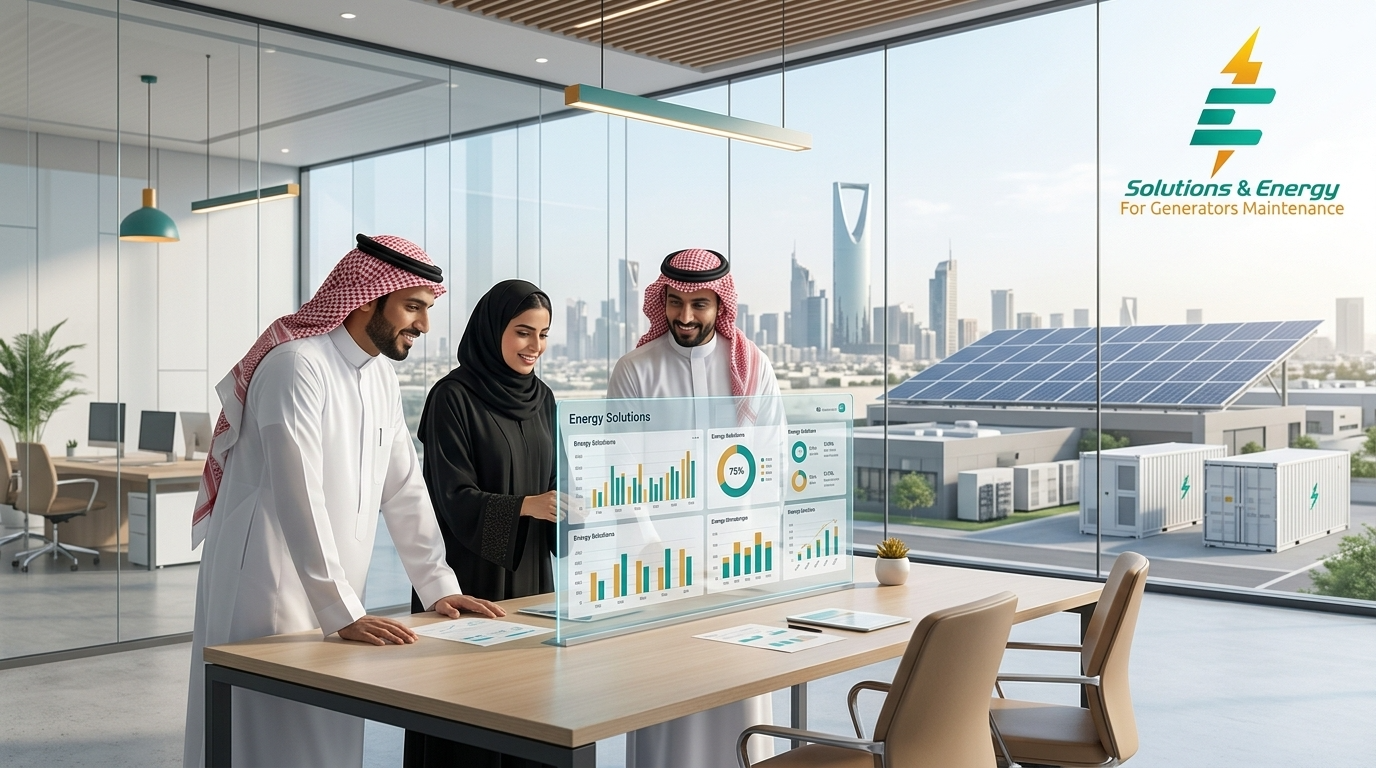

Alternative Energy Solutions and uninterrupted power solutions are vital components of modern operational continuity. For industrial plants, hospitals, construction sites, and telecommunications networks, power outages are more than minor inconveniences—they cause line shutdowns, damage sensitive equipment, delay project delivery, and disrupt customer service.
Selecting a backup or primary power system is no longer a secondary procurement task; it is a critical operational decision. Choosing the right setup requires evaluating site-specific needs, load demand, runtime requirements, and duty cycles.
Key Factors When Evaluating Commercial Energy Systems
There is no one-size-fits-all power system. A manufacturing facility’s electrical needs differ fundamentally from a medical center’s, just as a remote telecom tower differs from a civil construction site.
Before choosing an energy solution, evaluate these key criteria:
- Peak & Continuous Electrical Load: Total running kilowatt (kW) demand plus initial motor-starting inrush currents.
- Critical vs. Non-Critical Circuits: Identifying essential loads that cannot endure power interruptions.
- Target Runtime & Autonomy: Required operating hours during extended grid outages.
- Site Mobility & Space Requirements: Stationary indoor/outdoor installations vs. trailer-mounted mobile units.
- Fuel Logistics & Supply Chains: Site accessibility for diesel deliveries or ambient conditions for solar arrays.
- Capital vs. Operational Expenditure (CapEx vs OpEx): Deciding between direct equipment purchasing or temporary leasing.
Sector-Specific Energy Solutions
1. Manufacturing & Industrial Plants
Industrial facilities operate high-capacity electrical machinery, automated production lines, heavy motors, and HVAC systems. Power interruptions can ruin work-in-progress, damage tooling, and trigger costly restarts.
- Key Solution: Heavy-duty industrial diesel generators configured for prime or standby duty.
- Pro Tip: Perform a detailed load study to account for high motor-starting currents (kVA surges) before sizing equipment.
Facilities planning permanent equipment expansion can review options via Generators for Sale.
2. Healthcare & Medical Centers
Hospitals, surgical units, and diagnostic centers require non-stop electrical supply to power life-support systems, operating theaters, and temperature-controlled cold chains.
- Key Solution: High-reliability standby diesel generators paired with Automatic Transfer Switches (ATS) to restore power within seconds of a grid failure.
- Pro Tip: Establish an emergency backup schedule backed by routine load testing and Generator Maintenance protocols.
3. Construction & Infrastructure Projects
Construction sites evolve through different building phases, requiring mobile power that scales as demand grows.
- Key Solution: Trailer-mounted diesel generators and sound-attenuated canopy units.
- Buy vs. Rent: For short-term or phase-specific projects, utilizing Generator Rental is often more cost-effective than capital purchasing, as it avoids long-term storage and depreciation costs.
4. Telecommunications & Remote Towers
Telecom sites require 24/7 continuous power, often in off-grid or remote locations with challenging environmental conditions.
- Key Solution: Hybrid power architectures combining solar PV panels, deep-cycle battery storage, and fuel-efficient diesel generators.
Integrating Commercial Solar Power: Benefits & Challenges
Solar energy is a valuable component of commercial power strategies, helping lower operating costs and reduce carbon footprints.
Combining Solar & Diesel Generators
For most commercial applications, solar energy works best in a hybrid configuration. During peak sunlight hours, the solar array handles base daytime loads. When weather conditions drop or nighttime loads surge, battery storage or diesel generators step in seamlessly.
Preventive Maintenance: Protecting Your Power Investment
Installing the right power system is only the first step. Ensuring long-term readiness requires structured preventive maintenance.
- Engine Lubrication & Filtration: Timely oil changes and filter replacements protect engine blocks from friction damage.
- Fuel Quality Management: Regular inspection of fuel tanks and water separators prevents fuel injector failure.
- Cooling & Battery Inspections: Checking radiator coolant levels, drive belts, and battery charge levels ensures auto-start reliability.
To set up regular inspections and field service plans, utilize specialized Generator Maintenance solutions.
Key Mistakes to Avoid When Choosing a Commercial System
- Sizing Based Solely on Nameplate Ratings: Ignoring starting inrush currents leads to undersized systems that trip under load.
- Selecting Equipment Based on Purchase Price Alone: Cheaper units with poor fuel efficiency or weak service support cost more over their operational lifespan (TCO).
- Ignoring Future Expansion Plans: Sizing a system without headroom for added machinery or facility growth leads to premature replacements.
- Neglecting Maintenance Readiness: Failing to test standby systems under real site loads leaves facilities vulnerable during genuine utility outages.
Partnering with an Engineering Power Specialist
Implementing a commercial energy setup involves load auditing, equipment selection, transportation, installation, testing, and lifecycle maintenance. Partnering with an experienced engineering provider ensures your system is designed specifically for your operational demands.
Explore company capabilities, service scopes, and technical engineering experience on our About Us page, or navigate our primary engineering hub at S-Energy Solutions & Power.
To request a site load audit or consult with our technical team about custom power solutions for your business, reach out directly via Contact Us.
Where would you like to go next?
Request a site load audit checklist for industrial facilities
Compare CapEx vs OpEx for commercial energy investments
Learn how Automatic Transfer Switches (ATS) integrate with standby power
+