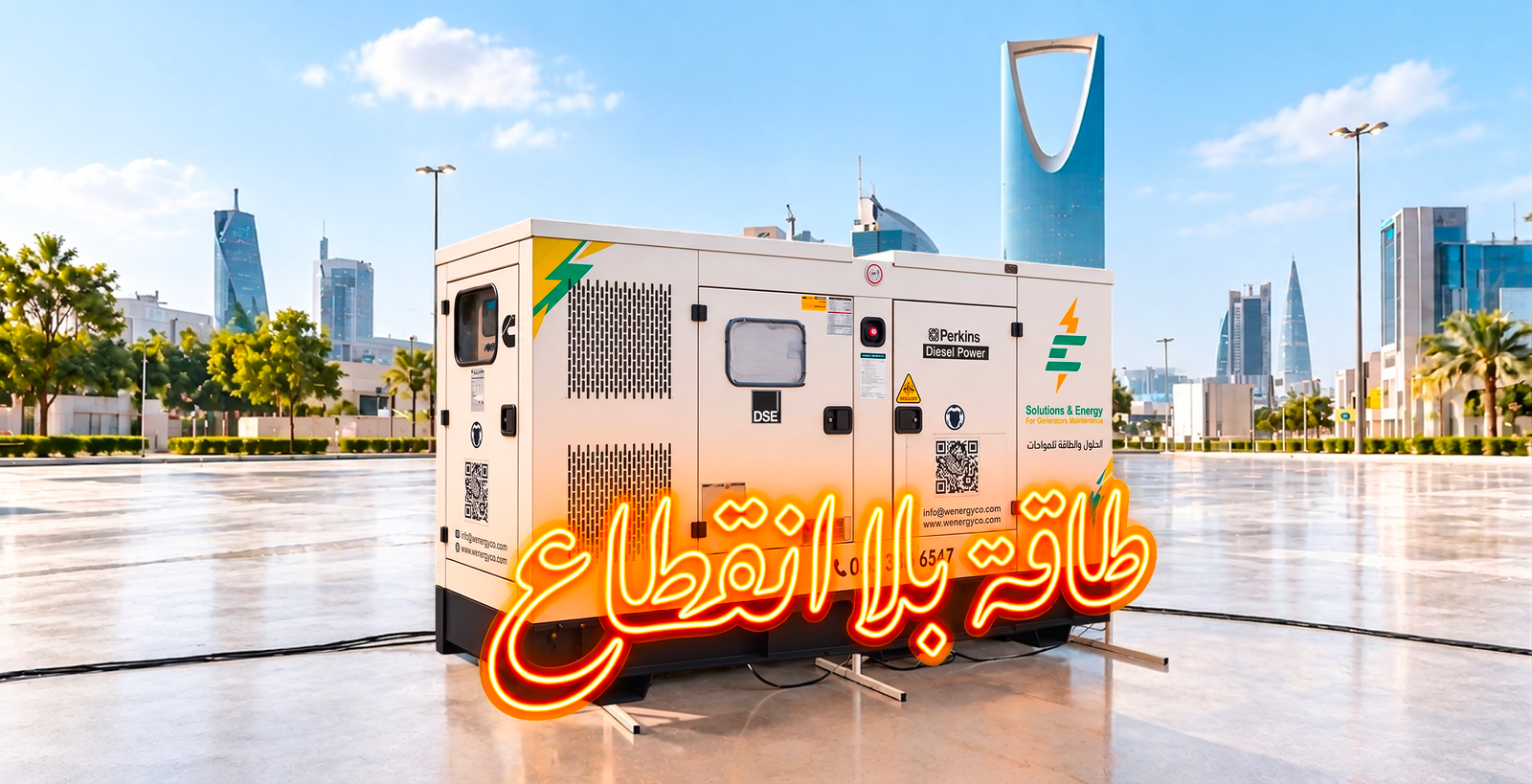

Imagine your facility operating normally—employees performing their duties with Backup Power Generator, devices and systems running seamlessly—when the power suddenly cuts out. Within minutes, production lines freeze, security and monitoring systems disconnect, sales transactions stall, and sensitive equipment risks damage due to abrupt power failure.
This is where a backup generator becomes essential as a core component of your Business Continuity Plan (BCP), rather than just a temporary patch during utility grid failures. Having an alternative electrical source allows facilities to navigate outages effectively while minimizing operational disruption.
The need for a backup generator extends far beyond large factories or industrial complexes. Offices, warehouses, retail stores, construction sites, service facilities, and any operation reliant on continuous equipment benefit significantly from an uninterrupted power supply.
Why Do Businesses Need a Backup Power Source?
Modern commercial operations heavily depend on electricity—from running servers and network infrastructure to heavy industrial machinery, refrigeration, lighting, and access control.
When a sudden outage strikes, the primary issue is often not its duration, but its operational impact. A power cut lasting only a few minutes can disrupt an entire assembly line, crash critical software, cause data loss, or degrade the customer experience.
Deploying a backup power unit delivers a reliable alternative energy source when the primary grid fails. The setup varies per facility based on electrical load requirements, operational nature, and expected runtime.
Sizing a generator based on rated output alone is a common mistake. Facilities should perform a comprehensive electrical load study to identify critical systems requiring backup power, ensuring the right unit is selected.
This approach balances reliability and budget, avoiding the pitfalls of purchasing an undersized unit or paying for unnecessary over-capacity.
The Impact of Power Outages on Commercial and Industrial Operations
While power cuts may cause minor inconvenience for businesses with minimal equipment, they present major risks for facilities operating continuous machinery and digital infrastructure.
In manufacturing, power loss halts multi-stage production processes, while sensitive equipment may suffer mechanical damage or material loss from sudden stops.
For retail outlets and restaurants, outages disrupt Point-of-Sale (POS) systems, refrigeration units, lighting, and security monitoring. Installing a backup power generator minimizes downtime and safeguards essential operations.
In logistics and warehousing, outages affect climate control, lighting, and automated access systems. For corporate offices, grid failures bring down local servers and network equipment, halting overall productivity.
Consequently, a backup generator should be viewed not merely as emergency hardware, but as an integral component of risk management and business continuity strategies.
Sectors Most Reliant on Backup Generators
While backup power is beneficial across all industries, certain sectors depend heavily on continuous electricity:
- Factories and Industrial Facilities:
Manufacturing plants require reliable power to drive assembly lines, heavy pumps, air compressors, and control systems. Unexpected downtime leads to severe financial loss and production delays. Many industrial sites utilize custom-designed emergency power solutions engineered for heavy electrical loads. - Hospitals and Healthcare Facilities:
Healthcare institutions require absolute power reliability to keep life-support equipment, operating theaters, and medical storage running without interruption. - Data Centers:
Data centers rely on continuous power for servers, cooling infrastructure, and network integrity. Unplanned outages risk data corruption and service downtime, making low-latency transfer systems critical. - Retail and Commercial Centers:
Shopping centers depend on lighting, POS terminals, surveillance systems, and HVAC units to maintain a safe, functional environment for customers. - Construction Sites:
Off-grid construction projects frequently lack utility connections or sufficient grid capacity. Utilizing temporary or permanent power solutions, such as Generator Rental Services, provides the required energy throughout the project lifecycle.
How Does a Backup Generator Work During an Outage?
The basic mechanism is straightforward: when grid power fails, the backup power system engages to supply pre-designated electrical loads.
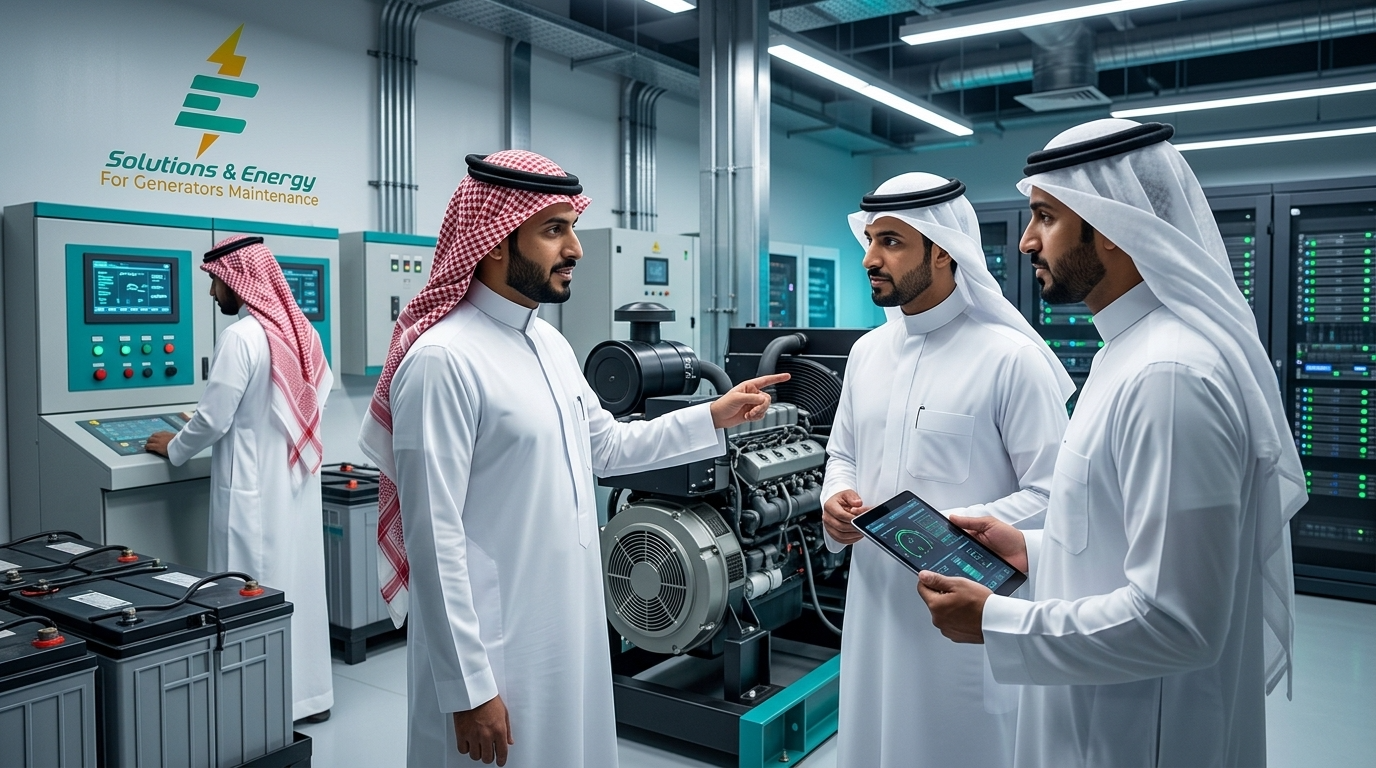
Behind this process, multiple components work in unison: the generator engine and alternator, digital control panel, Automatic Transfer Switch (ATS), fuel system, and protective switchgear.
Operational modes depend on facility design. Many commercial facilities deploy an ATS that automatically detects grid power loss and starts the generator within seconds, while simpler setups rely on manual initiation.
Pre-planning is key: the primary objective is usually not powering the entire facility, but prioritizing critical operational loads such as emergency lighting, servers, security systems, and climate control.
What Is a Backup Power Unit?
A backup power unit refers to any alternate system configured to deliver emergency electrical energy when primary utility power drops. This can range from diesel and gas generators to Uninterruptible Power Supply (UPS) battery systems, depending on operational demands.
Selecting the right setup involves evaluating total electrical load, required runtime, site layout, noise constraints, footprint, and maintenance requirements.
When planning a backup energy system, start with a thorough load audit rather than purchasing off-the-shelf equipment randomly.
How to Choose the Right Backup Generator for Your Facility
Selecting an optimal backup generator requires analyzing several technical factors beyond nominal kVA ratings:
- Electrical Load Calculation: Audit all machinery and devices requiring emergency power, factoring in both running wattages and initial motor starting currents (inrush kVA).
- Expected Runtime: Determine whether the unit must run for an hour, multiple hours, or continuous days, as this dictates fuel tank sizing and cooling specifications.
- Site Environmental Conditions: Evaluate the installation site for ventilation, exhaust routing, sound attenuation, safety clearances, and maintenance access.
- Operational Profile: Tailor generator selection to the nature of the facility—whether it’s an industrial plant, commercial office, or temporary project site.
- Future Expansion Allowances: Design emergency power systems with a safety margin to accommodate future additions of machinery or facility expansions.
Investing in engineered standby power designs ensures your system handles immediate demands while accommodating long-term growth.
Buying vs. Renting a Generator
Purchasing a backup generator is not the only path forward. Renting often proves more practical and cost-effective for short-term or project-based needs.
| Consideration | Buying | Renting |
| Ideal Application | Permanent facilities with ongoing standby needs | Construction sites, temporary events, or seasonal demand spikes |
| Capital Allocation | Capital Expenditure (CapEx) asset investment | Operational Expenditure (OpEx) flexible cost |
| Servicing Responsibility | Internal team or contracted maintenance | Provider handles servicing, repairs, and unit swaps |
| Capacity Flexibility | Fixed system output | Scalable; easily adjust generator size per project phase |
For temporary deployments, exploring options to rent generators allows facilities to secure stable power without long-term capital commitments.
When Is Generator Rental the Best Choice?
Generator rental is ideal when electrical needs are tied to a specific project timeline or interim situation, such as:
- Civil engineering and construction projects
- Outdoor events and temporary venues
- Scheduled utility grid maintenance
- Emergency power recovery during sudden outages
- Temporary seasonal load increases
- Backup support during primary generator overhauls
Partnering with experienced equipment rental providers ensures accurate sizing, site preparation, cabling, and technical support throughout your lease.
The Importance of Routine Generator Maintenance
Even top-tier backup generators require continuous preventive care. A generator that sits idle for months without routine maintenance may fail when an actual outage occurs.
Standard maintenance routines include checking fluid and oil levels, inspecting starter batteries, replacing air/fuel filters, checking cooling systems, testing electrical connections, and running periodic load tests.
- Residential & Light Commercial Units: Servicing home and small business generators prevents failure during sudden local outages caused by long idle periods.
- Mobile & Portable Generators: Units moved across various job sites require dedicated Mobile Generator Maintenance due to dust exposure, transport vibration, and varying environmental conditions.
Preventive maintenance helps detect minor mechanical or electrical issues before they develop into operational failures.
How to Ensure Business Continuity During Power Failures
Integrating a backup generator into your broader Business Continuity Plan involves several key operational steps:
- Identify Critical Systems: Document non-negotiable machinery, servers, and safety systems that must remain operational.
- Conduct Periodic Load Testing: Regularly run generator tests under load to verify system responsiveness and automatic transfer functionality.
- Establish Servicing Schedules: Adhere strictly to manufacturer-recommended service intervals based on run hours and calendar time.
- Train Key Personnel: Ensure facility managers and operational staff know emergency power protocols, ATS manual overrides, and safety procedures.
- Review Electrical Loads Annually: Re-evaluate total facility power consumption whenever new equipment, machinery, or office space is added.
Understanding Regulatory and Safety Compliance
When implementing emergency electrical infrastructure, facilities must comply with local safety and environmental codes.
Adhering to regulatory standards for standby power systems ensures operational safety, proper fuel storage, environmental protection, and fire safety compliance. Proper engineering and installation directly protect facility personnel, structural assets, and electrical equipment.
The Role of Standby Generator Design in System Efficiency
A backup power system’s efficiency relies heavily on its initial design phase. Engineered standby power plans determine exact physical positioning, cable routing, transfer switch placement, ventilation airflow, exhaust piping, and load distribution.
A well-engineered design ensures proper equipment selection, prevents premature overload, and simplifies future maintenance.
Why Sizing Matters: Avoid Over-Sizing or Under-Sizing
Selecting an oversized generator inflates purchasing costs, fuel consumption, and maintenance expenses, while causing engine light-loading issues (such as wet stacking in diesel engines). Conversely, an undersized unit risks overload trips and mechanical failure when starting heavy motor loads.
The objective is achieving a balanced capacity based on real load data and operational profiles.
Complete Generator Sales, Rental, and Maintenance Solutions
If you require an end-to-end power management solution, explore our comprehensive services at S-Energy Solutions & Power. We help facilities evaluate site requirements and deploy custom energy solutions tailored to their operational scope.
- Looking for Permanent Installation? Explore our Generator Sales to find reliable prime or standby power units.
- Need Temporary Power? Utilize our Generator Rental Services for short-term projects and emergency setups.
- Need System Servicing? Protect your equipment with our dedicated Generator Maintenance Services and expert Generator Repair.
Frequently Asked Questions (FAQ)
Q: What is the main benefit of a backup generator for facilities?
A: It delivers immediate alternate electricity during grid outages, keeping critical loads running, maintaining security systems, and preventing operational losses.
Q: Is it better to buy or rent a backup generator?
A: Long-term operational needs favor purchasing, whereas temporary construction projects, seasonal demands, or interim backups are better served by renting.
Q: Do emergency generators require regular maintenance if they aren’t used often?
A: Yes. Idle generators can suffer from battery degradation, fuel contamination, and hardened seals. Regular exercise and preventive maintenance ensure reliability when needed.
Q: Can one generator power an entire commercial facility?
A: Yes, provided the generator’s kVA rating matches the facility’s total electrical demand (including starting currents). Alternatively, facilities can configure backup systems to power designated critical loads only.
Minimize Outage Risks for Your Business
Continuous power is critical for modern commercial operations. Selecting the ideal backup power setup begins with a comprehensive load audit, identifying high-priority systems, and establishing an appropriate operation and maintenance strategy.
Whether you need to purchase new equipment, rent temporary power units, or service existing generators, proactive planning protects your facility against grid instability.
To learn more about custom energy solutions, visit S-Energy or About S-Energy. You can also Contact S-Energy Technical Team to discuss your project’s specific power requirements.