
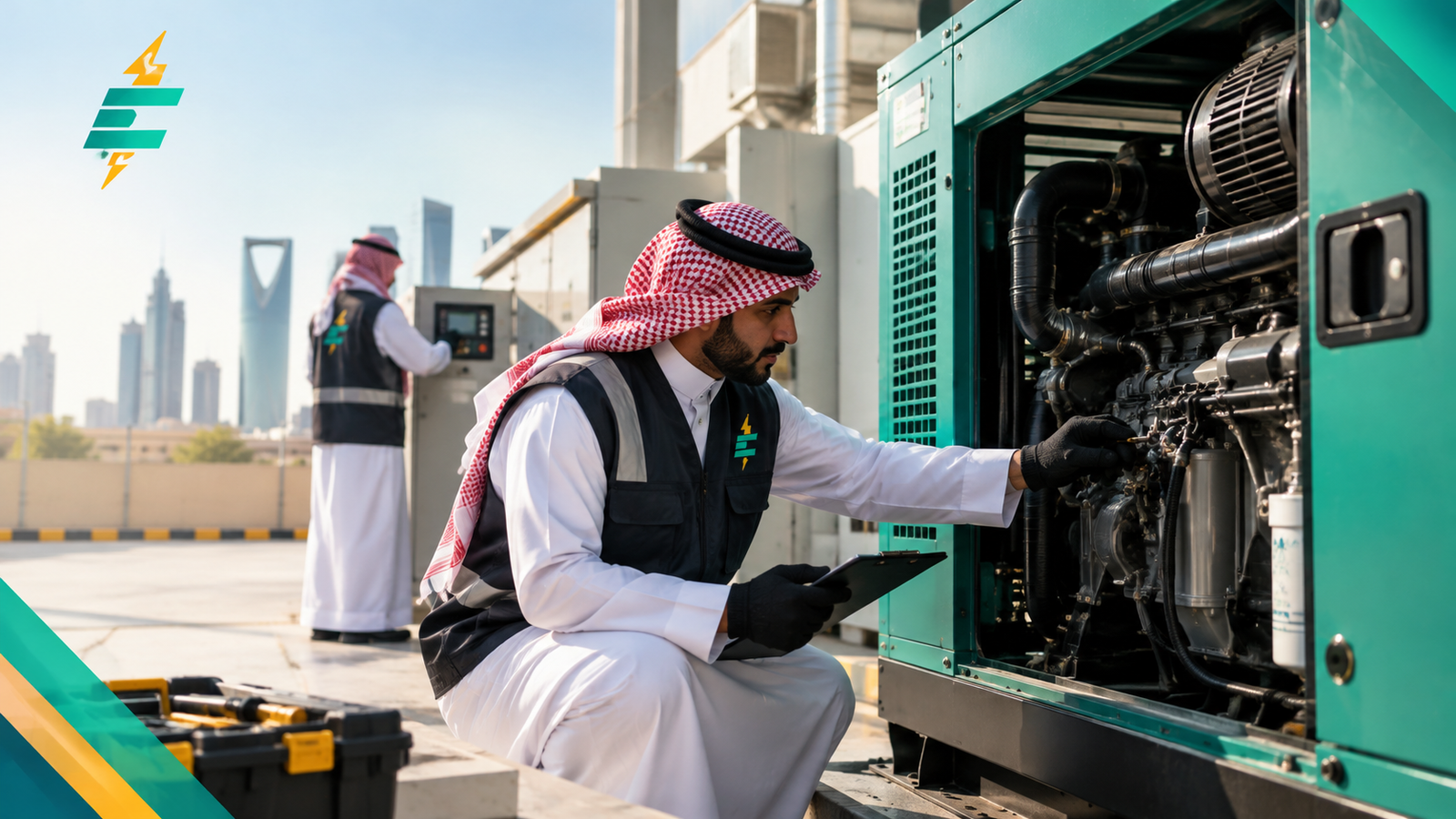

An electric generator is one of the most important backup power sources for commercial facilities, factories, construction sites, and service businesses. Some residential properties also rely on generators to maintain power during electrical outages. However, keeping a generator reliable requires more than simply turning it on when needed. Regular inspections, timely servicing, and early detection of potential problems are essential for dependable performance.
Electric generator maintenance helps improve operating efficiency, reduce unexpected downtime, and extend equipment lifespan. Whether you operate an industrial diesel generator or a small backup generator, following a structured maintenance plan can help ensure safer and more reliable operation.
In this guide, we will explore preventive maintenance procedures, routine inspection schedules, essential generator components, common diesel generator problems, and practical ways to prepare your equipment for continuous operation.
What Is Preventive Electric Generator Maintenance?
Preventive maintenance refers to a set of inspections and servicing procedures performed regularly to keep a generator in good working condition, even when no obvious problems are present. Its main purpose is to identify wear, leaks, and performance changes before they develop into costly failures.
Preventive maintenance differs from corrective maintenance. Preventive maintenance aims to reduce the likelihood of equipment failure, while corrective maintenance takes place after a problem has already occurred. For example, checking the engine oil level and replacing the oil according to the manufacturer’s schedule are preventive measures. Replacing damaged engine components after lubrication failure is corrective maintenance.
These procedures are particularly important when a facility relies on a diesel generator to maintain operations. A sudden generator failure can interrupt production, delay projects, damage connected equipment, and increase operating expenses.
Why Is Regular Generator Maintenance Important?
There are several practical benefits to maintaining your generator consistently.
1. Reduce unexpected breakdowns
Routine inspections can identify weak batteries, clogged filters, fluid leaks, and other developing issues before they prevent the generator from starting or operating properly.
2. Improve fuel efficiency
A generator with properly functioning fuel, filtration, cooling, and combustion systems can operate more efficiently. Neglected filters and fuel system problems may increase consumption and reduce performance.
3. Extend equipment lifespan
Proper lubrication, cooling, and component inspections help minimize wear caused by friction, excessive heat, and vibration, supporting a longer service life.
4. Improve operational safety
Fuel leaks, damaged wiring, and overheating can create serious risks. Identifying these problems early helps protect equipment, workers, and the surrounding facility.
5. Reduce repair expenses
Fixing a minor leak or replacing a worn filter is generally less expensive than repairing major engine damage or replacing critical components.
Electric Generator Preventive Maintenance Schedule
There is no single maintenance schedule suitable for every generator. Recommended service intervals depend on the manufacturer, operating hours, environmental conditions, load levels, and generator design.
The manufacturer’s operation and maintenance manual should always be the primary reference. The following table provides a general framework that should be adjusted to suit the specific equipment.
| Maintenance interval | Recommended checks | Main objective |
| Before operation or daily during frequent use | Check visible leaks, fluid levels, fuel, and external condition | Identify visible problems early |
| Weekly | Inspect the battery, visible connections, and control panel indicators | Confirm operational readiness |
| Monthly or as specified by the manufacturer | Review starting performance, charging system, cooling system, and alarms | Verify general operating condition |
| Every 250 operating hours or as specified | Inspect oil, filters, consumable components, and replacement requirements | Maintain engine performance |
| Every 500 operating hours or according to the model | Perform more detailed inspections of the engine, fuel system, and cooling components | Reduce wear-related failures |
| Annually or according to the operating plan | Conduct a comprehensive inspection and appropriate load testing | Assess overall readiness |
Important: These intervals are illustrative rather than universal requirements. Some generators require more frequent servicing, especially when operating in dusty environments or under heavy loads. Certain inspections must also be performed exclusively by qualified technicians.
How to Organize a Practical Maintenance Schedule
Start by recording the generator’s essential information, including its manufacturer, model, electrical capacity, engine type, fuel type, and current operating hours.
Next, review the manufacturer’s manual and establish the required inspection, servicing, and replacement intervals.
Maintain a service log containing the date of each maintenance visit, operating hours, inspected or replaced components, recorded readings, and technician recommendations.
If your facility operates several generators, create a separate maintenance record for each unit and set reminders for upcoming service dates. This approach makes electric generator maintenance a planned operational activity rather than a reaction to unexpected breakdowns.
Essential Routine Generator Inspections
Effective maintenance involves checking the systems that directly influence generator performance rather than relying solely on a visual inspection of the exterior.
1. Inspect the Engine Oil
Engine oil reduces friction between moving components and helps manage heat. When oil levels become too low or the oil deteriorates, engine wear can increase significantly, potentially leading to serious damage.
Before checking the oil, follow the manufacturer’s instructions regarding shutdown and the appropriate waiting period. Check the oil level using the designated dipstick and look for unusual changes in consistency or other signs of contamination.
Replace the oil according to the specified operating hours or calendar interval. If the oil level repeatedly decreases, do not simply keep adding oil. Have the cause investigated to determine whether the engine is consuming oil excessively or experiencing a leak.
2. Check the Air, Oil, and Fuel Filters
Filters protect the engine from contaminants that can affect combustion and lubrication.
A clogged air filter restricts airflow, while a blocked fuel filter may interrupt the supply of fuel to the engine. Oil filters also require replacement according to the manufacturer’s recommendations.
The appropriate cleaning or replacement method depends on the filter design. Some filters are intended to be replaced rather than cleaned, so using an unapproved cleaning method may damage the filter or reduce its effectiveness.
Follow the service schedule and replace filters at the recommended intervals. Where specified by the manufacturer, replace the oil filter when changing the engine oil.
3. Inspect the Cooling System
Diesel engines generate considerable heat during operation. The cooling system helps maintain temperatures within the engine’s specified operating range.
Routine checks should include the coolant level when the engine is cold, hoses and connections, radiator condition, cooling fans, and belts where applicable.
Dust and debris can obstruct radiator airflow, reducing cooling efficiency. Damaged hoses and loose connections may also cause coolant leaks.
Never open a pressurized cooling system while the engine is hot. Hot coolant can escape suddenly and cause severe burns.
If the generator repeatedly overheats, identify and correct the underlying problem before returning it to normal operation.
4. Inspect the Battery and Starting System
The battery is essential for starting many diesel generators. A weak battery may prevent the engine from starting when backup power is required.
Inspect the battery terminals for corrosion and check visible connections, the charging system, and relevant voltage indicators according to the manufacturer’s instructions.
If the generator uses an automatic starting system, verify that the controller and battery charger operate correctly. The system should also be tested according to approved procedures to confirm that the generator can respond to a starting signal when required.
Battery maintenance must follow appropriate electrical and chemical safety procedures, particularly for battery types that require specific servicing.
5. Inspect Electrical Connections
Electrical inspections include checking accessible cables, connections, protective devices, and control panel indicators for signs of damage, overheating, or discoloration.
Qualified electrical technicians should perform tests that require opening electrical panels or working near potentially energized components. Appropriate isolation procedures must be followed before servicing electrical equipment.
These inspections can help identify problems that affect voltage stability, cause circuit breakers to trip, or interrupt power supplied to connected equipment.
6. Inspect the Fuel System
A diesel generator requires a consistent supply of suitable, clean fuel to operate effectively.
Inspect the fuel tank, lines, and connections for leaks. Check the fuel filters and look for signs of water contamination or sediment. If the generator includes a water separator, service it according to the manufacturer’s instructions.
Fuel must also be stored in accordance with applicable safety requirements and the manufacturer’s recommendations.
Never attempt to repair a fuel leak while the generator is operating. If a leak is detected, stop the equipment when it is safe to do so and follow the facility’s emergency procedures.
Generator Maintenance Methods by Generator Type
Although the basic maintenance principles are similar, specific procedures vary depending on generator design, capacity, and intended application.
Maintenance of Small Electric Generators
Small generators are commonly used for residential backup power, small commercial applications, and field operations.
Despite their size, they require regular inspections of engine oil, fuel, air filters, and the battery if equipped.
The generator must be positioned in an appropriate, well-ventilated outdoor location, away from doors, windows, and air intakes. Never operate a combustion-powered generator inside a house, garage, or enclosed area. Carbon monoxide produced during operation can cause fatal poisoning.
Avoid connecting equipment that exceeds the generator’s rated capacity. Check the total electrical demand before adding new appliances or machinery.
Maintenance of Commercial and Industrial Diesel Generators
Generators used in factories, warehouses, and construction sites often require more structured maintenance, particularly when they operate for extended periods or supply changing electrical loads.
A maintenance program should include operating-hour tracking, engine inspections, cooling and fuel system checks, electrical system assessments, and control panel monitoring.
Load testing may also be necessary to confirm that the generator can supply the required equipment without exceeding its operating limits. Such testing should be planned and performed by qualified personnel.
For backup applications, confirming that the engine starts is not enough. The generator must also be capable of supporting the intended electrical load under the required operating conditions.
Maintenance of Standby Generators
Standby generators may remain inactive for extended periods, but they still require routine inspections to ensure they are ready when needed.
Maintenance should include checking the battery, fuel condition, fluid levels, control system, and automatic transfer switch when installed.
Periodic starting tests should follow the manufacturer’s recommendations, and any alarms or abnormal readings should be investigated.
Where necessary, load transfer tests or simulated power outages should be performed using an approved procedure that protects connected equipment and maintains facility safety.
How to Prepare a Generator Before the Operating Season
If you are preparing for a period of increased electricity demand or more intensive generator use, arrange a comprehensive inspection before operations begin.
The preparation process can be divided into several stages.
Stage 1: Review the maintenance history
Check the latest service records and operating hours. Identify any inspections, oil changes, or component replacements that are due.
If the generator experienced a problem previously, verify that its underlying cause was addressed rather than simply treating the visible symptoms.
Stage 2: Inspect fluids and filters
Check engine oil, coolant, and fuel levels. Review the condition of the filters and replace them when required.
Always use fluids that meet the specifications stated in the manufacturer’s documentation.
Stage 3: Confirm battery readiness
Inspect the battery, charger, and connections for visible damage or corrosion. If the generator uses an automatic starting system, verify its readiness through the appropriate testing procedure.
Stage 4: Perform an operational test
Start the generator according to the manufacturer’s instructions. Monitor available indicators, including oil pressure, engine temperature, voltage, and frequency.
Listen for unusual noises and watch for abnormal vibration, odors, or warning lights. Do not ignore alarms simply because the engine continues running.
Stage 5: Verify performance under load
Where required, arrange an appropriate load test to confirm that the generator can support the equipment it is expected to power.
A qualified technician should conduct the test using a procedure suited to the generator and facility. Testing must be planned carefully to avoid disrupting connected equipment or creating safety risks.
Stage 6: Record the results
Document the test readings, observations, completed maintenance, and any outstanding recommendations.
This information creates a useful baseline for future inspections and helps identify changes in generator performance over time.
What Are the Main Items Included in Routine Generator Maintenance?
A structured checklist helps ensure that important components are not overlooked during maintenance visits.
Visual Inspection Items
Inspect the generator’s exterior, surrounding area, accessible hoses, connections, and mounting components.
Look for fluid leaks, visible damage, unusual vibration, or obstructions around ventilation openings. Confirm that the generator has sufficient clearance and is installed in an appropriate operating environment.
Engine Maintenance Items
Review the oil level and condition, cooling system, air filter, fuel filter, and oil filter. Monitor engine temperature and oil pressure against the manufacturer’s specified operating limits.
Electrical System Maintenance Items
Inspect the control panel, available voltage and frequency readings, protective devices, battery, charger, and accessible electrical connections.
Specialized electrical measurements and tests must be performed by qualified technicians using appropriate equipment and safety procedures.
Operational Performance Items
Confirm that the generator starts correctly, review alarms, monitor operating stability, and assess whether its capacity remains suitable for the connected load.
Investigate recurring problems rather than repeatedly resetting alarms or restarting the equipment without identifying the cause.
Documentation and Follow-Up Items
Record all maintenance activities, replacement parts, important measurements, and technician recommendations.
Assign priorities to identified problems. Issues affecting safety or threatening an immediate shutdown should receive attention before non-urgent maintenance tasks.
Common Diesel Generator Problems and How Maintenance Helps Prevent Them
Diesel generators may develop recurring problems when maintenance is neglected. However, the same symptom can have several possible causes, so accurate diagnosis requires consideration of the generator model and operating conditions.
The Generator Fails to Start
Starting failures may result from a weak battery, a fault in the starting circuit, insufficient fuel, or a control system alarm.
Begin by reviewing the control panel, fuel level, and battery condition. Never bypass safety devices or attempt unapproved starting procedures.
If the problem persists, arrange an inspection by a qualified technician.
Engine Overheating
Overheating may be caused by low coolant levels, a blocked radiator, a malfunctioning fan, a cooling system fault, or excessive electrical loading.
Follow the manufacturer’s shutdown procedure if a high-temperature alarm occurs. Never open the cooling system while the engine is hot.
Once the engine has cooled, the cooling system and operating conditions should be inspected before the generator is restarted.
Unusual Exhaust Smoke
Changes in exhaust color or smoke density may indicate a combustion problem, an issue with the fuel supply, restricted airflow, or another engine fault.
However, the cause cannot be established from smoke color alone. The engine model, operating conditions, and accompanying symptoms must also be considered.
Persistent heavy or unusual smoke should be investigated by a qualified technician. If the condition presents an immediate safety risk, stop the generator according to the approved shutdown procedure.
Excessive Fuel Consumption
Higher-than-normal fuel consumption may be related to increased electrical loads, reduced combustion efficiency, restricted filters, or problems in the fuel system.
Compare fuel consumption with operating hours and actual load levels. This information can help determine whether the increase is expected or indicates a developing fault.
Unusual Noise or Vibration
Abnormal noise or vibration may indicate loose components, worn parts, mounting problems, or an internal engine issue.
If these symptoms appear suddenly or become more severe, avoid continued operation until the generator has been assessed.
Addressing these warning signs early can help prevent many diesel generator faults from developing into major breakdowns or expensive repairs.
When Should You Hire a Professional Generator Maintenance Technician?
Trained operators may perform basic checks that are permitted by the manufacturer, such as visual inspections, monitoring control panel indicators, and recording operating hours.
However, certain problems require professional assistance.
Consider contacting a qualified technician when:
- The generator repeatedly fails to start despite basic checks.
- Warning alarms or abnormal readings occur frequently.
- Fuel, oil, or coolant leaks are detected.
- The engine overheats or oil pressure falls outside the specified range.
- Voltage, frequency, or automatic transfer systems malfunction.
- Internal engine repairs or specialized electrical tests are required.
- Problems continue after repairs or fuel consumption increases without an obvious explanation.
Avoid opening electrical systems or modifying protective circuits without the appropriate qualifications.
Before maintenance begins, ensure that energy sources are properly isolated and that accidental starting is prevented. Follow the applicable lockout, isolation, and electrical safety procedures.
Preventive Maintenance vs. Repairs After a Breakdown
Preventive maintenance may appear to be an additional expense when a generator is operating normally. However, its actual value becomes clearer when the potential consequences of equipment failure are considered.
| Comparison factor | Preventive maintenance | Corrective maintenance |
| Timing | Before a problem occurs or becomes serious | After a fault develops |
| Primary objective | Reduce the likelihood of failure | Restore operation |
| Planning | Service can often be scheduled in advance | Repairs may require urgent intervention |
| Spare parts | Requirements can be anticipated | Parts may not be immediately available |
| Downtime | Can often be minimized through planning | May interrupt business operations |
| Performance tracking | Uses regular inspections and recorded readings | Often focuses on the immediate fault |
Preventive maintenance cannot guarantee that breakdowns will never occur. However, it can reduce the likelihood of unexpected failures and improve the facility’s readiness to respond.
For businesses that depend on backup power, this structured approach can make a significant difference to operational continuity.
How to Prepare a Generator for Continuous Operation
When a generator is expected to operate for extended periods, a single pre-operation inspection is not enough. Its maintenance plan should reflect operating hours, environmental conditions, and electrical demand.
Start by selecting a generator with a capacity suitable for the actual application. Consider the type of connected equipment and the starting requirements of electrical loads.
Operating continuously near the generator’s limits can increase stress on the equipment. On the other hand, prolonged operation at very low loads may also affect certain diesel engines, depending on their design and operating conditions. Follow the manufacturer’s load recommendations.
Next, establish a schedule for checking oil, coolant, fuel, filters, and other service items. Keep the installation area adequately ventilated and ensure that technicians can safely access the components requiring inspection.
Maintain an appropriate stock of consumable spare parts and assign responsibility for recording operating readings and reviewing alarms.
If the generator supplies critical equipment, establish a contingency plan for unexpected shutdowns and determine what alternative power arrangements are available.
Practical Tips for Maintaining Diesel Generator Efficiency
The following practices can help maintain reliable performance over time:
- Replace engine oil and filters according to the manufacturer’s schedule.
- Use fuel, lubricants, and coolant that meet the required specifications.
- Record operating hours and important performance readings consistently.
- Investigate leaks, unusual noises, and abnormal vibration promptly.
- Avoid exceeding the generator’s rated operating capacity.
- Conduct starting and load tests using approved procedures.
- Keep the radiator and ventilation openings clear of dust and debris.
- Consult a qualified technician when engine or electrical problems occur.
These practices are straightforward to implement, but together they form an effective maintenance routine that can reduce downtime and improve generator reliability.
How to Choose a Professional Generator Maintenance Provider
When selecting a company for electric generator maintenance, do not base your decision on price alone. Confirm that the service provider has experience with your generator type and model and can carry out the required inspections.
Ask about the scope of the maintenance service, including whether it covers the engine, electrical system, cooling system, fuel system, and control panel.
It is also useful to ask whether the provider supplies inspection reports, recommends suitable replacement parts, and offers technical support for urgent breakdowns under the agreed service arrangement.
For facilities that depend on continuous power, a scheduled maintenance agreement may be more suitable than requesting repairs only after a problem occurs.
You can explore generator maintenance services to learn more about the available options, or visit the Services page to review the company’s service offerings.
Should You Buy a Generator or Rent One?
The right choice depends on how long you need the equipment, the nature of your project, your power requirements, and the expected operating costs.
If your facility requires a permanent backup power source, purchasing a generator may be suitable for long-term use. However, the decision should account for maintenance, spare parts, installation, and other operating expenses.
Visit the generator sales page to explore the available options.
If you need temporary power for a construction project, a seasonal increase in demand, or a limited period, renting may be more practical.
Before renting, agree on the required capacity, equipment condition, maintenance responsibilities, and the level of technical support provided throughout the rental period.
You can explore the available options on the generator rental page.
In either case, maintenance remains an important part of the overall cost of owning or using a generator. Choosing suitable equipment and following a structured maintenance plan can help reduce downtime and improve long-term value.
Frequently Asked Questions About Electric Generator Maintenance
How Often Should an Electric Generator Be Serviced?
The maintenance frequency depends on the generator model, operating hours, environmental conditions, and workload.
Some inspections should be performed before operation or weekly, while other procedures are scheduled according to operating hours or specific calendar intervals. Always consult the manufacturer’s manual for the correct service schedule.
Does a Standby Generator Need Maintenance if It Is Rarely Used?
Yes. Extended periods without operation can still lead to battery deterioration, fuel-related issues, and problems affecting other components.
Routine inspections and operational tests help ensure that the generator is ready when backup power is needed.
What Are the Main Signs That a Generator Needs Maintenance?
Common warning signs include difficult starting, repeated alarms, overheating, fluid leaks, unusual vibration, changes in fuel consumption, and unstable voltage or frequency.
Some of these conditions require the generator to be shut down and inspected before further operation.
Can Generator Maintenance Be Performed On-Site?
Yes. Many inspection and maintenance tasks can be completed at the generator’s installation site, depending on the type of work, available tools, and spare parts.
Problems requiring specialized internal repairs may need additional equipment or a different service arrangement.
What Is the Difference Between Diesel Generator Maintenance and Small Generator Maintenance?
Both involve fundamental checks of lubrication, fuel, cooling, and starting systems. However, the specific procedures vary according to the generator’s design, capacity, and intended application.
Industrial generators may also require more detailed load testing and performance monitoring because of their operational demands.
Can Regular Maintenance Prevent Every Generator Breakdown?
No maintenance program can eliminate every possible failure. Unexpected operating conditions and component defects may still cause problems.
However, preventive maintenance can help identify developing issues early, reduce the likelihood of unplanned downtime, and improve equipment readiness.
Keep Your Generator Ready With the Right Maintenance Plan
Following a structured electric generator maintenance program is essential for maintaining operating efficiency, reducing unexpected breakdowns, and extending equipment lifespan.
Start with a clear inspection schedule, monitor the condition of the engine oil, filters, battery, cooling system, and fuel supply, and investigate abnormal operating conditions without delay.
If you are looking for generator solutions for your facility or project, visit S-Energy to explore its services and learn more about professional generator maintenance.
You can also contact the S-Energy team to discuss your requirements and identify a suitable solution.
Start planning your generator maintenance today and make reliable power an essential part of your business continuity strategy.