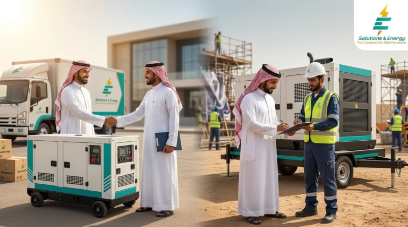

When a commercial facility, construction site, or event requires a reliable power solution, Electric Generator Rental can provide a flexible and cost-effective alternative to purchasing a permanent generator. A critical operational question emerges: Should you purchase and maintain a permanent generator, or opt for generator rental for a defined period?
While purchasing may initially appear logical for long-term operations, Electric Generator Rental often delivers greater financial flexibility, operational adaptability, and lower upfront capital expenditure (CapEx).
Making the correct decision involves evaluating factors far beyond the initial equipment price tag or monthly rental rate. A thorough analysis requires assessing operational duration, electrical load profiles, fuel logistics, preventive maintenance, transport, installation, and post-delivery technical support.
Understanding the Core Differences: Purchasing vs. Renting
Buying a Generator
Purchasing entails full ownership of the equipment, transferring long-term responsibility for installation, routine servicing, fuel management, storage, and regulatory compliance to the facility. This model suits organizations with long-term, continuous, or permanent standby power requirements.
Renting a Generator
Selecting Generator Rental Services gives you access to precise electrical capacity for a specified timeframe—daily, weekly, monthly, or project-based—without the burden of equipment ownership or capital depreciation.
When Is Generator Rental the Best Choice?
Generator rental is highly practical when electrical demand is temporary, seasonal, or project-specific. Renting avoids locking up capital in heavy machinery that may sit idle once a contract concludes.
- Construction & Civil Infrastructure: Multi-month sites requiring scalable power across different building phases.
- Events, Exhibitions, & Media: Short-term operations demanding quiet, low-noise, sound-attenuated generators.
- Scheduled Utility Outages & Maintenance: Interim backup power during primary electrical transformer or grid servicing.
- Seasonal Load Increases: Temporary capacity boosts during peak summer cooling or high-production cycles.
- Financial Capital Preservation: Organizations preferring Operational Expenditure (OpEx) over Capital Expenditure (CapEx).
When Is Purchasing a Generator Recommended?
Purchasing a unit outright becomes financially advantageous when a facility requires permanent standby power over many years.
If an industrial plant, hospital, data center, or commercial complex experiences routine utility disruptions, cumulative rental fees over time will eventually exceed the total cost of ownership (TCO).
Primary use cases for purchasing include:
- Facilities requiring permanent emergency standby power for business continuity plans (BCP).
- Industrial manufacturing plants operating continuous production shifts.
- Multi-year off-grid projects with steady electrical demand.
- Entities with dedicated internal mechanical and electrical (MEP) maintenance teams.
To evaluate permanent equipment specifications and ratings, explore available models through Generators for Sale.
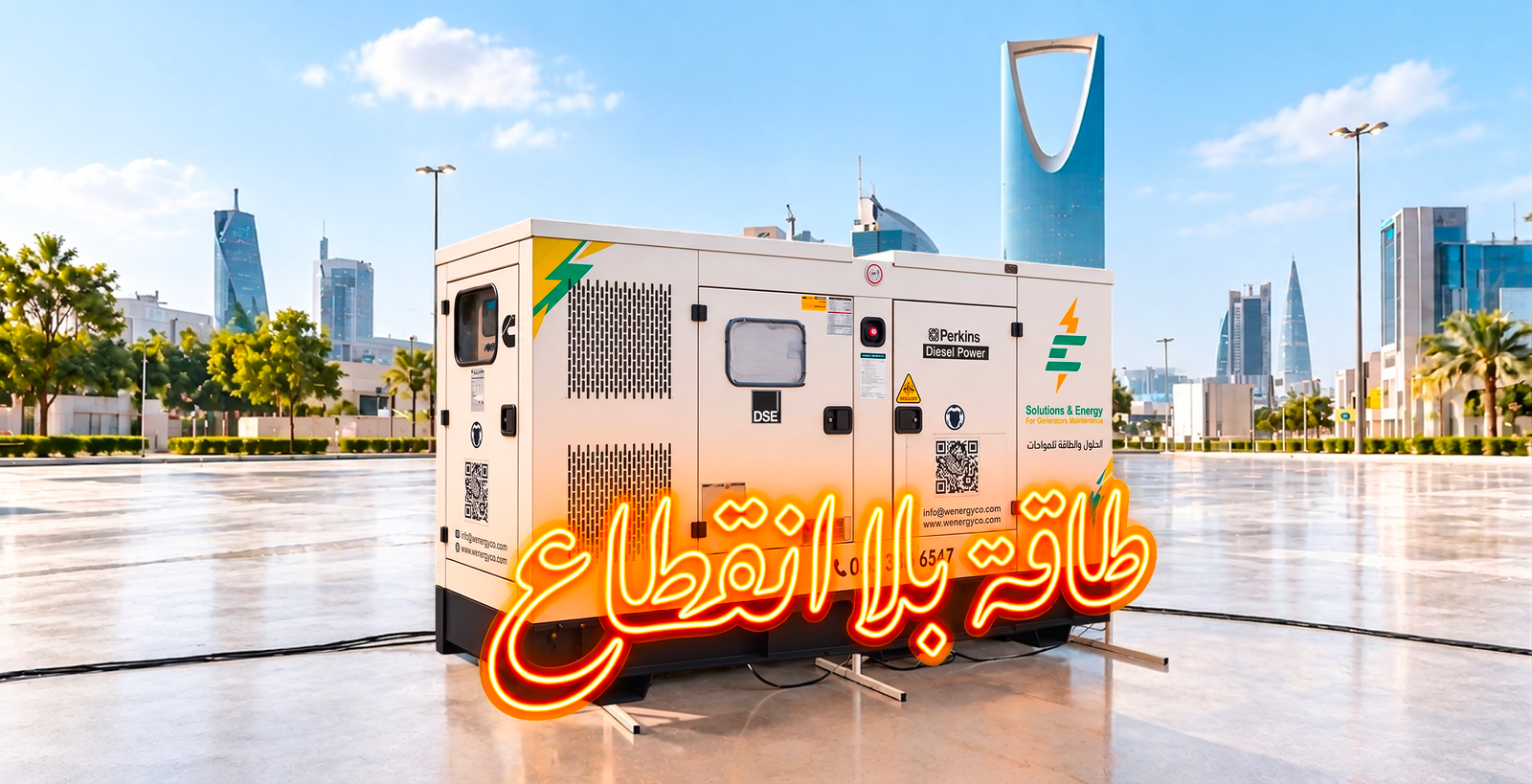
Total Cost of Ownership (TCO) vs. Total Cost of Use (TCU)
A common financial mistake is comparing the raw purchase price of a generator directly against a monthly rental quote. To make an accurate assessment, evaluate the complete lifecycle cost structure:
Total Cost of Ownership (Purchasing)
- Capital purchase price of the generator engine and alternator.
- Transportation, crane offloading, and site positioning.
- Electrical installation, cabling, and Automatic Transfer Switch (ATS) integration.
- Civil foundation pads, soundproofing, and exhaust piping.
- Scheduled preventive maintenance, fluids, filters, and battery replacements.
- Unscheduled repairs and spare parts sourcing.
- Asset depreciation and long-term storage costs.
Total Cost of Use (Renting)
- Daily, weekly, or monthly contract rental rate.
- Site mobilization and demobilization transport fees.
- Cable installation and site connection setup.
- Fuel supply terms (as negotiated).
- Vendor-managed maintenance and 24/7 technical callouts.
When reviewing rental rates, ensure quotes are fully itemized to cover delivery, installation, and field service support.
Key Regional Considerations: Rental Services Across Major Hubs
When securing generator rentals across commercial hubs like Riyadh, Jeddah, or remote industrial zones, regional logistics directly influence overall costs and operational support:
- Site Accessibility & Delivery Distance: Sourcing equipment locally reduces mobilization fees and accelerates emergency dispatch response times.
- Environmental & Ambient Conditions: Units operating in high ambient temperatures require high-performance cooling systems and heavy-duty air filtration.
- Local Sound Attenuation Codes: Commercial and residential areas often strictly enforce acoustic limits, requiring silent canopy units.
Providing precise site coordinates and access parameters allows vendors to dispatch appropriately spec’d mobile units.
The Role of Preventive Maintenance in Rental vs. Owned Units
System failure during a power cut defeats the purpose of an emergency standby system. Maintenance responsibilities vary depending on the deployment model:
For owned units, establishing a structured schedule via Generator Maintenance Services protects equipment longevity. For rented units, verify that your service contract includes routine inspections and prompt emergency callouts.
Essential Questions Before Signing a Contract
To ensure smooth operations and avoid uncalculated expenses, address these questions before committing to an equipment provider:
- Capacity & Sizing: Is the kVA rating calculated based on both continuous running load and motor inrush currents?
- Contract Scope: Are mobilization, cabling, ATS connection, and de-mobilization fully detailed?
- Service Level Agreement (SLA): What is the exact response time if a mechanical or electrical fault occurs?
- Maintenance Coverage: Who supplies engine oil, filters, coolant, and starter battery replacements during long-term leases?
- Fuel Management: Is fuel delivery included, or managed independently by the client?
- Scalability: Can the generator capacity be easily upgraded or downgraded if site power needs change?
Selecting a Qualified Power Solutions Partner
Selecting an experienced power partner is as critical as choosing the generator itself. Partner with an engineering provider that evaluates site requirements holistically rather than simply dispatching hardware.
Look for key capabilities including:
- Proven experience across industrial, commercial, and temporary event power deployments.
- In-house fleet availability across diverse kVA ratings and low-noise acoustic enclosures.
- Complete engineering support covering load testing, delivery, installation, and fuel management.
- Comprehensive service offerings encompassing sales, rentals, and field maintenance.
To explore corporate experience, service scopes, and technical engineering capabilities, visit About S-Energy or access our main engineering portal at S-Energy Solutions & Power.
Final Decision Matrix: Buy or Rent?
Choosing between purchasing and renting requires matching your project’s timeframe, electrical load requirements, and capital allocation strategy.
To request a detailed site load evaluation or discuss rental vs. purchase options for your facility, contact our technical engineering team directly via Contact S-Energy Technical Team.
Where would you like to go from here?
Calculate TCO: Compare 3-year purchase vs rental costs
Review SLA checklist for generator rental contracts
Explore dual-generator parallel vs standby configurations