
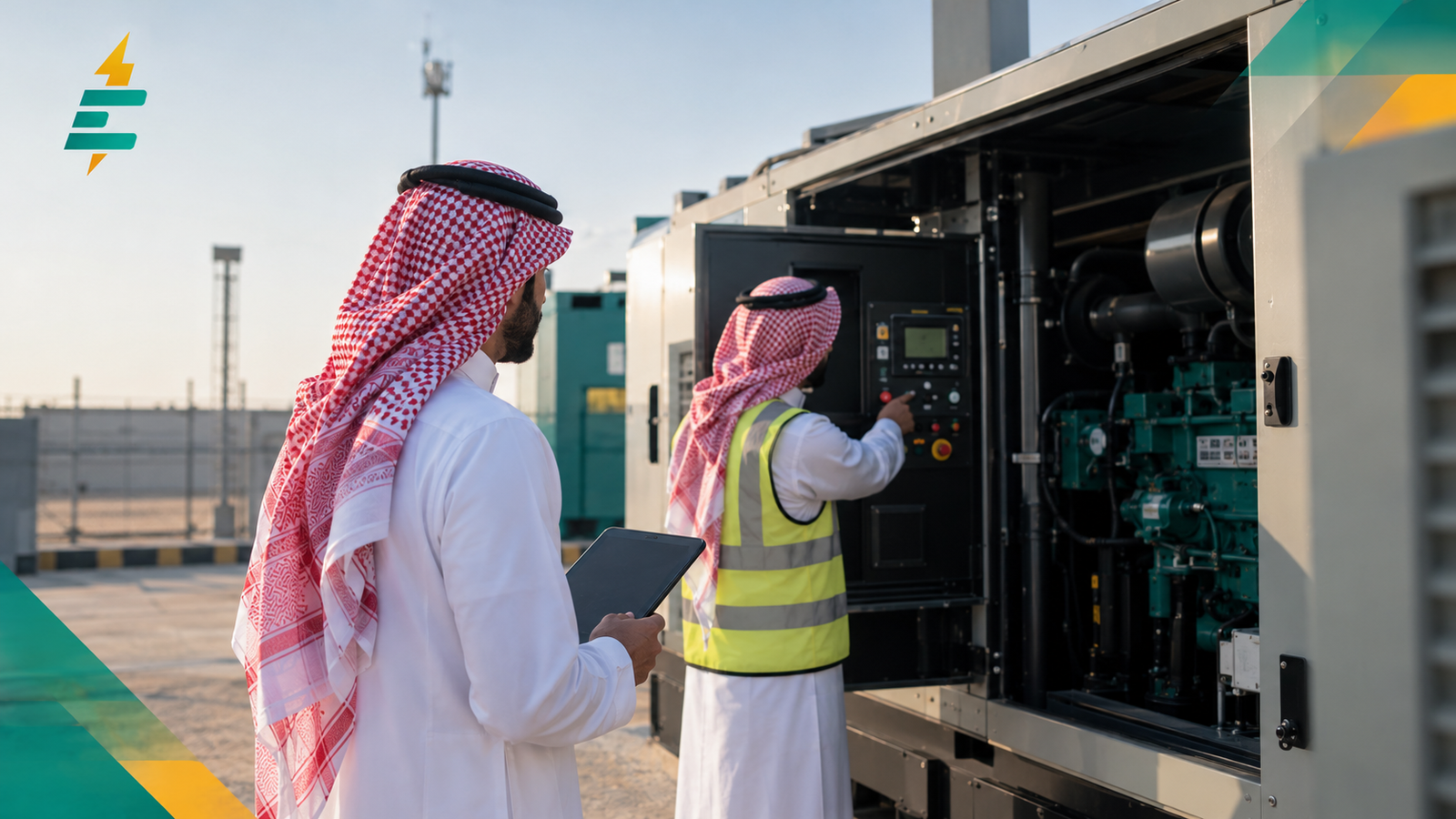

Many businesses, industrial facilities, and construction projects rely on electrical generators to ensure a continuous power supply and keep operations running smoothly, especially in locations where grid electricity is unreliable or where a backup power source is essential. However, simply operating a generator is not enough to guarantee reliable performance. Its efficiency depends on operating conditions, fuel quality, engine condition, and regular maintenance.
Maintaining electrical generator efficiency helps improve fuel utilization, reduce unexpected breakdowns, and extend the equipment’s service life. It also helps lower repair costs and minimize operational downtime, making it particularly important for factories, businesses, and construction sites that depend on a reliable power supply.
In this guide, we will explore the most effective ways to improve generator performance, including engine oil and battery inspections, filter cleaning, preventive maintenance, and the main factors that affect generator efficiency. We will also share practical tips to help you maintain your equipment and get the most out of your generator.
What Is Electrical Generator Efficiency?
Electrical generator efficiency refers to how effectively a generator converts the energy it consumes into usable electrical power while minimizing energy losses. This efficiency is influenced by several factors, including diesel engine performance, the condition of electrical components, load levels, fuel quality, and operating conditions.
For example, two generators with similar power ratings may consume different amounts of fuel when operating under the same load. This difference may result from variations in engine condition, maintenance quality, or combustion efficiency. A generator may also consume more fuel than usual because of a clogged filter, a fuel injection problem, or prolonged operation under an unsuitable load.
Generator efficiency is not limited to fuel consumption. It also includes voltage and frequency stability, the ability to handle the required electrical load, breakdown frequency, maintenance costs, and overall readiness when power is needed.
Therefore, improving electrical generator efficiency begins with understanding how the equipment operates and monitoring its performance indicators. The next step is implementing a maintenance program that matches the manufacturer’s recommendations and the generator’s operating conditions.
Why Is Maintaining Electrical Generator Efficiency Important?
Regular maintenance may initially seem like an additional expense, but it can help prevent more costly problems caused by unexpected breakdowns or damage to major components. Maintaining generator efficiency offers several important benefits.
1. Reducing Fuel Consumption
Proper engine tuning, clean filters, and timely repairs can improve combustion and reduce unnecessary fuel consumption. This is particularly important for generators that operate for long hours or supply power continuously to demanding facilities.
Recording fuel consumption, operating hours, and electrical load can help identify unusual increases in fuel usage and highlight potential maintenance issues.
2. Preventing Unexpected Breakdowns
Regular generator inspections help identify early warning signs before they develop into serious failures. Routine checks may reveal oil leaks, a weak battery, rising engine temperatures, or a clogged air filter.
Addressing these issues promptly reduces the risk of generator failure during critical operating hours.
3. Extending Generator Service Life
Engine components are exposed to friction, heat, and pressure during operation. Changing the oil on schedule, monitoring the cooling system, and replacing worn components according to the manufacturer’s recommendations can reduce premature wear.
These practices help extend the generator’s service life while maintaining an appropriate level of performance.
4. Improving Power Stability
A generator must do more than produce electricity. It must also provide suitable voltage and frequency for the equipment connected to it. Regular maintenance helps identify issues that may affect power stability, including problems with the voltage regulator, electrical connections, or generator components.
This is especially important in factories and facilities that use sensitive equipment or cannot tolerate power interruptions and fluctuations.
How to Maintain Electrical Generator Efficiency
Maintaining generator performance requires a consistent set of procedures rather than relying solely on repairs after a breakdown occurs. The following practices can help improve reliability and operating efficiency.
1. Follow a Regular Generator Maintenance Schedule
Regular generator maintenance is one of the most effective ways to preserve performance and reduce the likelihood of breakdowns. The maintenance schedule should be based on operating hours, the manufacturer’s recommended service intervals, environmental conditions, and the generator’s workload.
Typical maintenance tasks include checking fluid levels, inspecting filters, testing the battery, checking electrical connections, monitoring operating indicators, and carrying out more comprehensive servicing at the recommended intervals.
There is no single maintenance schedule suitable for every generator. Equipment used daily for extended periods may require a different maintenance plan from an emergency generator that operates occasionally. Always refer to the manufacturer’s manual and avoid postponing maintenance simply because the generator appears to be operating normally.
You can explore generator maintenance services to learn more about the available options for maintaining generator performance and operational readiness.
2. Check and Replace the Generator Engine Oil
Engine oil plays an essential role in reducing friction between moving components, helping dissipate heat, and limiting the accumulation of certain deposits. As operating hours increase, the oil’s properties may deteriorate and contaminants may accumulate. Therefore, it must be inspected and replaced according to the manufacturer’s instructions.
Start by checking the oil level using the procedure described in the operating manual. The generator should be stopped and secured, and the engine should be allowed to reach the appropriate condition for inspection. The oil level must remain within the specified range, avoiding both overfilling and insufficient oil.
Pay attention to unusual signs, such as repeated drops in oil level, visible leaks, or abnormal changes in oil appearance. These symptoms may require a technical inspection to determine the underlying cause.
It is important to use the oil type, viscosity, and specifications approved for the engine. Using unsuitable oil may negatively affect lubrication and performance, even if the oil is new.
Oil change intervals should be determined by operating hours, elapsed time, and working conditions rather than color alone. Generators operating in dusty or high-temperature environments may require additional attention according to the manufacturer’s recommendations.
3. Ensure the Generator Battery Is in Good Condition
Battery condition directly affects the generator’s ability to start, particularly in standby generators that must be ready to operate during a power outage. A battery may become weak even when the generator started successfully during its previous operation.
Basic inspections include checking battery terminals for corrosion, ensuring connections are secure, and reviewing the charging condition according to the manufacturer’s instructions. A qualified technician can measure battery voltage and perform an appropriate test to evaluate its ability to start the engine.
The charging system should also be inspected to confirm that it is functioning correctly. In some cases, the problem may not be the battery itself but the components responsible for recharging it.
For standby generators, periodic testing according to the approved maintenance procedure helps verify that the battery and other starting components are ready for use.
Avoid connecting or disconnecting the battery without following the proper procedure, especially when electronic control systems are installed. Always follow the safety instructions provided in the operating manual.
4. Clean Generator Filters and Replace Them When Necessary
Diesel engines require an adequate supply of air for proper combustion. When dust accumulates in the air filter, airflow may become restricted, potentially affecting engine performance and fuel consumption.
Inspect the air filter according to the maintenance schedule, paying particular attention to generators operating in dusty or construction environments. Do not clean filters using unsuitable methods, as some types can be damaged by excessive compressed air pressure or improper cleaning materials.
The fuel filter helps prevent contaminants from reaching the fuel injection system. It should be replaced according to the recommended intervals, while the fuel system should be inspected if there are signs of contaminated fuel or water accumulation.
The oil filter also requires attention because it helps remove contaminants from the engine oil. Delaying replacement may reduce filtration effectiveness or affect oil flow, depending on the filter design and its condition.
Cleaning or replacing filters according to the manufacturer’s instructions helps improve electrical generator efficiency, particularly when dirty filters are contributing to reduced performance.
5. Use Suitable Fuel and Store It Properly
Diesel engine efficiency depends partly on fuel quality and its compliance with the required specifications. Fuel contaminated with water or sediment may cause problems in the injection and combustion systems, potentially increasing maintenance requirements.
Purchase fuel from reliable suppliers and use clean, suitable storage tanks. Follow appropriate storage procedures to limit moisture and contamination. Water that accumulates in tanks or fuel-water separators should be drained according to the applicable technical instructions.
If the generator becomes difficult to start or its performance changes noticeably after refueling, inspect the fuel system rather than assuming the engine itself is the only possible cause.
Avoid using fuel additives without confirming that they are compatible with the manufacturer’s recommendations. Not every additive is suitable for every engine.
6. Monitor the Cooling System and Engine Temperature
The cooling system helps keep the engine within its specified operating temperature range. Overheating may result from low coolant levels, dirty cooling surfaces, restricted airflow, or problems with the pump, thermostat, or other components.
Check the coolant level and inspect for leaks. The radiator, hoses, and air passages should also be examined according to the maintenance schedule.
Never open the cooling system cap while the engine is hot or pressurized. Hot coolant may escape suddenly and cause serious injuries. Allow the system to cool and follow the prescribed safety procedures before inspecting it.
If overheating occurs repeatedly, do not simply add more coolant. Identify and correct the underlying problem, as continued operation under excessive temperatures can cause significant engine damage.
7. Operate the Generator Within the Appropriate Load Range
Electrical load affects fuel consumption, engine temperature, and operating stability. It is therefore important to select a generator that matches the site’s actual power requirements, taking into account continuous loads and the starting demands of connected equipment.
Operating a generator beyond its rated capacity may cause overheating, voltage and frequency instability, and excessive stress on components. Conversely, prolonged operation at very low loads may affect certain diesel generators, potentially contributing to carbon buildup and deposits under specific operating conditions.
The appropriate load range should be determined according to the manufacturer’s recommendations, the connected equipment, and the operating environment. If the generator consistently operates well below its capacity, it may be worth assessing whether its size is suitable for the actual application.
Correct load distribution and energy monitoring help improve electrical generator efficiency and reduce problems associated with unsuitable operating conditions.
What Are the Main Items in a Regular Generator Maintenance Checklist?
Maintenance requirements vary according to generator type, rated capacity, and operating conditions. However, the main tasks can generally be divided into pre-start inspections, scheduled maintenance checks, and more comprehensive technical inspections.
First: Pre-Start Inspections
Before starting the generator, check for visible oil, fuel, or coolant leaks. Verify fluid levels according to the manufacturer’s instructions, inspect the surrounding area, and ensure that there are no obstructions.
Look for unusual sounds or smells from the previous operating cycle and review the control panel for warnings. If the generator has an automatic starting system, confirm that it is ready according to the approved operating procedure.
Second: Inspections During Operation
Monitor oil pressure, temperature, voltage, frequency, and electrical load. Compare the readings with the acceptable ranges specified in the operating manual.
Pay attention to excessive vibration, unusual noises, or changes in exhaust smoke. Record operating hours, fuel consumption, and technical observations to help identify gradual changes that may not be obvious during a visual inspection.
If critical alarms appear or operating readings exceed permitted limits, follow the prescribed safe shutdown procedure and seek qualified technical assistance instead of continuing to operate the generator.
Third: Scheduled Maintenance Inspections
These inspections may include checking filters, engine oil, the battery, electrical connections, drive belts where applicable, the cooling system, fuel hoses, and electrical components.
Maintenance tasks involving the opening of systems or work on electrical and mechanical components should be performed by qualified personnel using the required isolation and lockout procedures to prevent accidental startup or exposure to hazardous energy.
A Sample Generator Preventive Maintenance Checklist
Using a written checklist helps organize maintenance activities and document the generator’s condition. The following table provides a basic template. Actual intervals should be adjusted according to the operating manual, generator type, and working conditions.
| Inspection Item | Required Action | Recommended Timing |
| Engine oil level | Check the level and inspect for leaks | Before operation, according to the manufacturer’s instructions |
| Coolant | Check the level and inspect for leaks when the system is cool | According to the approved inspection schedule |
| Battery | Inspect terminals, connections, and charging condition | Periodically and as recommended by the manufacturer |
| Air filter | Inspect and clean or replace when necessary | According to dust exposure and operating hours |
| Fuel and oil filters | Inspect and replace when due | According to the maintenance schedule |
| Fuel | Check quality and storage cleanliness | Periodically and whenever contamination is suspected |
| Control panel | Review alarms and operating indicators | Before and during operation |
| Voltage and frequency | Verify that readings remain within permitted limits | During operation |
| Cooling system | Inspect the radiator, hoses, and related components | According to the maintenance schedule |
| Operating log | Record hours, faults, and maintenance actions | After each inspection or service |
The checklist should ideally include the inspection date, operating-hour reading, responsible technician, observations, corrective actions, and next maintenance date. This turns the preventive maintenance checklist into a useful record rather than relying on memory.
Preventive Generator Maintenance and Its Role in Reducing Breakdowns
Preventive maintenance involves carrying out specific tasks before a failure occurs, based on time intervals, operating hours, or the condition of individual components. It differs from corrective maintenance, which is performed after a problem has developed.
Preventive generator maintenance helps reduce electrical and mechanical failures, improve standby generator readiness, and make maintenance expenses more predictable instead of leaving businesses to deal with unexpected repair costs.
For example, a routine inspection may reveal a deteriorating hose or a weak battery before it causes the generator to stop working. Similarly, reviewing fuel consumption and engine readings can help identify changes that require further investigation.
Useful practices include preparing a list of components that need periodic replacement, keeping suitable essential spare parts available, and maintaining a record of recurring faults. Replacement intervals should be based on manufacturer recommendations and inspection results rather than guesswork.
For generators used only during power outages, testing according to an approved schedule is particularly important. Limited use does not necessarily mean that the battery, fuel, and starting systems are in perfect condition.
Factors Affecting Electrical Generator Efficiency
Generator efficiency is influenced by several factors that should be considered during operation and maintenance.
Temperature and Environmental Conditions
High temperatures, dust, and humidity can affect generator performance and component condition. In hot environments, cooling efficiency and airflow become especially important. In dusty locations, greater attention should be given to air filters and ventilation openings.
The generator must have adequate ventilation space according to the installation instructions. Avoid placing it in an area that traps heat or restricts exhaust discharge.
Maintenance Quality and Engine Condition
The condition of the engine, filters, fuel injection system, and lubricating oil affects performance and fuel consumption. Neglecting maintenance may gradually reduce efficiency even if the generator continues to operate.
For this reason, monitor operating indicators and investigate changes rather than waiting for a major failure.
Electrical Load Requirements
The power requirements of lighting and office equipment differ from those of heavy industrial machinery. Some equipment also requires higher starting current when switched on.
Assess the actual electrical load, distribute it correctly, and select a generator with suitable capacity. A qualified engineer should review the load requirements when necessary, particularly when expanding or modifying the power system.
Installation Quality and Electrical Connections
Unsuitable connections, inadequate ventilation, and installation errors can affect operating safety and power stability. Installation, grounding, and electrical protection should comply with applicable standards, and unapproved modifications should be avoided.
Understanding these factors affecting generator efficiency helps identify the underlying cause of a problem instead of replacing components unnecessarily.
Ways to Improve Diesel Generator Efficiency
Diesel generators require coordinated maintenance of the engine, fuel system, cooling system, and electrical load. The following practices can help improve performance.
Maintain the fuel injection system: If the engine shows signs of irregular combustion or unusually high fuel consumption, the injection system may require a professional inspection. Adjustments and repairs should follow the engine manufacturer’s specifications.
Monitor exhaust smoke: Changes in smoke color or an unusual increase in smoke may indicate a combustion, airflow, fuel, or oil-related problem, depending on the operating conditions. Smoke color alone cannot confirm the cause, so the observation should be evaluated alongside other operating indicators.
Maintain the appropriate load level: Selecting a generator that matches actual power requirements helps reduce inefficient operation. Reassess electrical loads whenever site requirements change or new equipment is added.
Maintain airflow and cooling: Keep the area around the generator clean, inspect ventilation openings and cooling components, and ensure that nothing obstructs airflow.
Record and compare performance: Tracking operating hours, fuel consumption, electrical load, and temperature readings helps identify changes over time. An increase in fuel consumption under comparable load conditions may indicate that further inspection is needed.
These practices can help improve diesel generator efficiency and reduce operating costs. However, actual results depend on the generator’s condition, design, and operating environment.
What’s New in Diesel Generator Maintenance?
Some modern generators feature monitoring and control systems that track operating indicators, record alarms, and log operating hours. These systems can provide valuable information for technicians when diagnosing problems and planning maintenance.
Another approach involves using operating data to guide maintenance decisions rather than relying exclusively on fixed time intervals, where this capability is available and supported by the manufacturer. Monitoring recurring trends may help identify declining performance or changes in engine behavior at an early stage.
However, modern technology does not eliminate the need for physical inspections or basic maintenance. Oil, filters, batteries, and cooling systems still require proper attention. Any system updates or modifications should also follow the manufacturer’s instructions.
The benefits of new diesel generator maintenance technologies depend on selecting the right procedures for the equipment, training operators, documenting results, and responding appropriately to warnings.
When Should You Have Your Generator Inspected by a Professional Technician?
Operators can perform basic checks permitted by the operating manual, but certain situations require the attention of a qualified technician, particularly when the problem involves the engine, fuel system, or electrical connections.
Arrange a professional inspection if you notice any of the following warning signs:
- Repeated starting difficulties or unexplained shutdowns.
- Excessive engine temperature or recurring overheating warnings.
- Unusually low oil pressure or repeated drops in oil level.
- Voltage or frequency fluctuations or unstable power output.
- Increased fuel consumption without a clear change in electrical load.
- Unusual vibration, abnormal noises, or persistent fluid leaks.
- Unusual exhaust smoke or a noticeable loss of power.
- Repeated battery problems or failure of the automatic starting system.
Do not ignore critical alarms or continue operating the generator when safety-related warning signs appear. Shut it down using the safe procedure specified in the operating manual, then identify and correct the cause before returning it to service.
If you need professional assistance, visit the generator maintenance services page to explore services relevant to your requirements.
Does Choosing the Right Generator Affect Operating Efficiency?
Yes. Selecting a generator that does not match the site’s power requirements may lead to unnecessary operating expenses or difficulties handling electrical loads. It is therefore important to calculate the total required load, consider the starting current of motors and machinery, and understand whether the generator will be used for continuous or standby power.
Before purchasing a generator, prepare a list of the equipment that will be connected to it and identify each item’s electrical requirements. Determine whether the equipment will operate simultaneously. A qualified engineer can use this information to estimate the required capacity and recommend a suitable generator.
If you need a new generator for your project, visit the generator sales page to explore available purchasing options and identify equipment that meets your site’s actual requirements.
If your power requirements are temporary, such as at construction sites, events, or projects with changing energy demands, generator rental may be worth considering, depending on the rental period, power requirements, and operating costs.
Frequently Asked Questions About Electrical Generator Efficiency
How Often Should a Generator Receive Routine Maintenance?
The maintenance frequency depends on the generator type, operating hours, manufacturer’s instructions, and site conditions. Refer to the operating manual and establish a schedule covering daily or periodic inspections, oil and filter changes, and major servicing.
What Are the Main Causes of High Generator Fuel Consumption?
High fuel consumption may be associated with electrical load, dirty filters, combustion or fuel injection problems, inadequate maintenance, or a generator that is unsuitable for the application. Compare fuel consumption under similar operating conditions before determining the cause.
Can Generator Filters Be Cleaned Instead of Replaced?
This depends on the filter type and the manufacturer’s instructions. Some air filters can be cleaned using approved methods, while others must be replaced. Oil and fuel filters should be handled according to the recommended maintenance procedures and should not be reused unless specifically designed for reuse.
How Can I Keep My Generator Battery in Good Condition?
Keep the terminals clean and connections secure, monitor the charging condition, and inspect the charging system when necessary. For standby generators, follow the approved testing schedule to verify the readiness of the battery and starting system.
Does Operating a Generator at a Low Load Affect Its Performance?
Prolonged operation at a very low load may cause problems in certain diesel generators, including deposit accumulation under specific operating conditions. The impact depends on the generator design, condition, and duration of operation. Follow the manufacturer’s recommended load range.
What Are the Signs of Declining Generator Performance?
Potential signs include increased fuel consumption, starting difficulties, unstable voltage or frequency, excessive temperature, and unusual noises or vibration. A single symptom may not be enough to identify the cause, so operating indicators should be assessed together and a professional inspection arranged when necessary.
Is Preventive Maintenance Better Than Waiting for a Breakdown?
Preventive maintenance helps identify problems early, organize repair schedules, and reduce the likelihood of unexpected downtime. It cannot eliminate every failure, but it can reduce risks when performed correctly according to the generator type and operating conditions.
Maintain Electrical Generator Efficiency with the Right Maintenance Plan
Maintaining electrical generator efficiency does not depend on a single action. It requires a combination of measures, beginning with selecting the right generator and continuing with load monitoring, fuel quality management, and regular inspections of engine oil, batteries, and filters. It also involves documenting maintenance activities and seeking professional assistance when necessary.
The more consistently a generator is monitored, the easier it becomes to identify developing problems, plan maintenance, and reduce unexpected breakdowns. Make routine inspections an essential part of your facility’s energy management strategy, and do not wait for a major failure before maintaining your equipment.
If you are looking for solutions to meet your project’s power requirements, visit the S-Energy website to explore generator maintenance services, generator sales, and generator rental options. You can also contact the team to discuss your requirements and find the right solution for your project.