
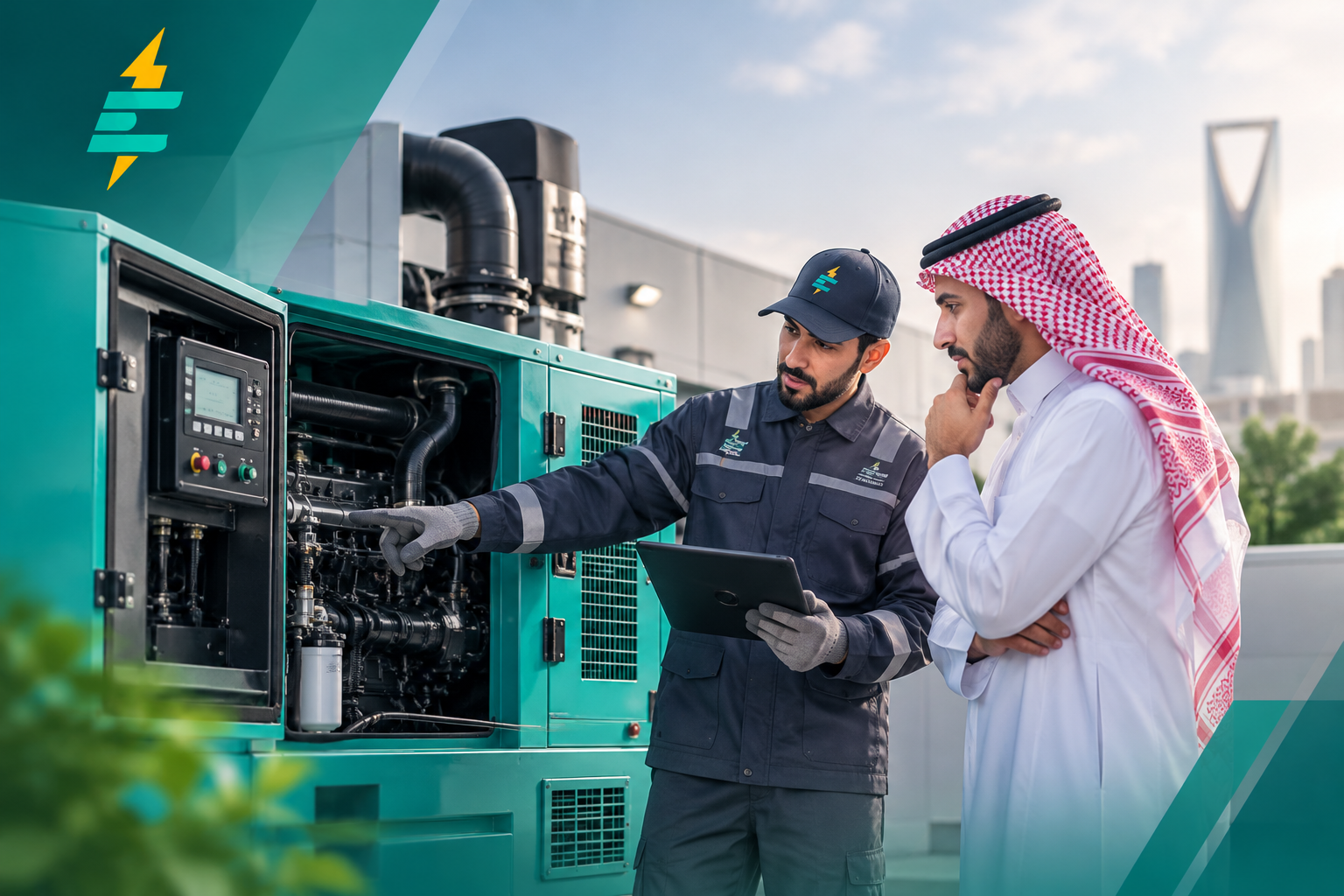

Diesel generators are among the most important backup power solutions for commercial facilities, industrial operations, construction sites, and other businesses that require a reliable electricity supply. Whether used as a primary power source or as an emergency backup, generators play a critical role in maintaining operational continuity.
However, like any mechanical and electrical equipment, generators require regular inspection and maintenance to perform efficiently. Without proper care, minor issues can develop into costly failures, unexpected downtime, and significant operational disruptions.
This is why routine generator maintenance is essential. A well-planned maintenance schedule helps identify potential problems early, improve fuel efficiency, extend equipment lifespan, and ensure that your generator is ready when you need it most.
But how do you choose the right generator maintenance company? What should a professional maintenance service include? And when should you consider a generator maintenance contract?
In this comprehensive guide, we will explore everything you need to know about choosing a reliable generator maintenance provider, understanding preventive maintenance, and keeping your diesel generator operating efficiently.
Why Is Routine Generator Maintenance Important?
Imagine relying on a backup generator to power your facility during an unexpected electricity outage, only to discover that the generator will not start.
The consequences could be more serious than the cost of repairing the equipment. Depending on your business, a generator failure could interrupt production, delay projects, affect essential services, or lead to financial losses.
That is why routine generator maintenance should be considered an essential part of your facility’s operational strategy rather than a simple technical task.
Regular maintenance offers several important benefits.
1. Reducing Unexpected Generator Failures
One of the primary benefits of preventive maintenance is its ability to identify potential problems before they become serious.
For example, low coolant levels, clogged fuel filters, weak batteries, or damaged hoses may affect generator performance if they are not addressed promptly.
Regular inspections allow technicians to identify these warning signs and take corrective action before the generator experiences an unexpected failure.
This is particularly important for facilities that depend on uninterrupted power.
2. Extending Generator Lifespan
Diesel generators contain several mechanical and electrical components that experience natural wear over time.
The engine, alternator, fuel system, cooling system, and electrical connections all require proper care to maintain reliable performance.
Regular oil changes, filter replacements, cooling system inspections, and operating condition checks help reduce unnecessary wear and protect essential components.
By following the manufacturer’s maintenance recommendations, businesses can potentially extend the operational lifespan of their generators and delay the need for replacement.
3. Improving Fuel Efficiency
Have you ever noticed that a generator consumes more diesel than usual?
Increased fuel consumption may be associated with clogged air filters, fuel injection problems, unsuitable operating loads, or other mechanical issues.
Routine maintenance helps identify these problems and improve operating efficiency.
Although fuel consumption also depends on generator capacity, load percentage, and operating conditions, keeping the equipment properly maintained can help prevent unnecessary fuel waste.
4. Ensuring Generator Readiness
Backup generators are often expected to operate immediately when the main electricity supply fails.
However, a generator that has not been operated for an extended period may experience battery problems, fuel deterioration, or other issues that prevent it from starting.
Regular inspections and appropriate operational tests help ensure that the generator remains ready for emergency situations.
This is especially important for hospitals, commercial buildings, industrial facilities, and other businesses that rely on backup power.
5. Reducing Repair Costs
Preventive maintenance can help reduce the likelihood of expensive repairs.
For example, ignoring an engine overheating problem may eventually damage critical engine components.
By identifying the issue early, technicians may be able to resolve the problem before it becomes more complicated.
This makes preventive maintenance a valuable investment in protecting equipment, reducing downtime, and controlling long-term operating costs.
How to Choose the Right Generator Maintenance Company
Choosing a generator maintenance company requires more than comparing prices.
You should evaluate the company’s technical expertise, response time, maintenance procedures, equipment, and ability to provide reliable support.
If you are looking for a company that provides routine generator maintenance, consider the following factors.
1. Experience in Diesel Generator Maintenance
Generators vary in terms of capacity, engine design, operating conditions, and manufacturer specifications.
A generator used at a construction site may have different maintenance requirements from one installed in a hospital or manufacturing facility.
Therefore, it is important to choose a company with experience maintaining different generator types and capacities.
A qualified provider should understand the technical requirements of diesel generators and be able to identify the causes of equipment failures accurately.
You may also want to review the company’s previous projects and experience with generators similar to those used in your facility.
2. Qualified and Specialized Technicians
A professional generator maintenance company should have technicians with the technical knowledge required to inspect and maintain mechanical and electrical systems.
Their expertise should cover:
- Diesel engine inspection and maintenance.
- Fuel system troubleshooting.
- Cooling system maintenance.
- Electrical system testing.
- Battery and starting system inspection.
- Generator control panel troubleshooting.
- Alternator and voltage regulator inspection.
Technicians should also understand the safety procedures required when working with electrical equipment, fuel systems, and hot engine components.
Choosing qualified technicians helps reduce the risk of improper repairs and unnecessary equipment damage.
3. Fast Emergency Response
Response time is one of the most important factors when selecting a generator maintenance provider.
For businesses that depend on backup power, a generator failure can create serious operational challenges.
Before signing a maintenance agreement, ask the company:
- Does it provide emergency maintenance services?
- How quickly can technicians reach your facility?
- Are on-site maintenance services available?
- Is technical support available outside regular working hours?
- Are essential spare parts readily available?
A company with an organized service process can help reduce downtime and restore generator operation more efficiently.
4. Proper Diagnostic and Testing Equipment
Accurate troubleshooting depends on using the right diagnostic tools.
Instead of replacing components based on assumptions, technicians should use appropriate equipment to identify the actual cause of the problem.
Common diagnostic tools include electrical testing instruments, battery testers, pressure gauges, temperature measuring devices, and load bank testing equipment.
Using these tools helps improve diagnostic accuracy and reduces the likelihood of repeated failures.
5. Transparent Pricing and Service Details
Before choosing a generator maintenance company, make sure you understand the scope of the service and its associated costs.
A professional quotation should clearly explain:
- Maintenance service scope.
- Number of scheduled maintenance visits.
- Labor costs.
- Spare parts costs, if not included.
- Emergency service charges.
- Repair warranty terms.
- Contract duration and renewal conditions.
Comparing these details helps you evaluate different providers fairly and avoid unexpected expenses.
You can explore S Energy’s generator maintenance services to learn more about available maintenance solutions.
What Should a Professional Generator Maintenance Service Include?
When requesting generator maintenance, it is important to ensure that the service covers the major mechanical and electrical components.
A professional maintenance inspection should go beyond a simple visual check.
The exact procedures depend on the generator’s type, capacity, operating hours, and manufacturer’s recommendations. However, most diesel generators require attention to several essential systems.
1. Engine Inspection
The engine is one of the most important components of a diesel generator.
It converts the energy produced by diesel combustion into mechanical power, which drives the alternator.
Engine maintenance typically includes:
- Checking for oil leaks.
- Inspecting engine oil levels.
- Monitoring operating temperature.
- Checking for unusual noises or vibrations.
- Inspecting belts and hoses.
- Monitoring oil pressure.
- Identifying signs of abnormal engine operation.
Regular engine inspections help detect problems that could affect performance or damage internal components.
2. Engine Oil and Filter Replacement
Engine oil plays a critical role in reducing friction between moving components, dissipating heat, and protecting internal engine parts.
Over time, oil may lose some of its protective properties or become contaminated.
Therefore, oil replacement should be performed according to the manufacturer’s recommendations.
The maintenance process may also include replacing:
- Engine oil filters.
- Diesel fuel filters.
- Air filters.
It is important to remember that maintenance intervals are not identical for every generator.
They depend on engine design, oil specifications, operating hours, and environmental conditions.
3. Fuel System Inspection
The fuel system directly affects diesel generator performance.
Contaminated fuel, clogged filters, damaged fuel lines, or injection system problems may cause starting difficulties, reduced power output, or increased fuel consumption.
Fuel system maintenance may include:
- Inspecting fuel lines and connections.
- Checking fuel filters.
- Identifying fuel leaks.
- Inspecting the fuel tank.
- Monitoring fuel quality.
- Checking the fuel injection system when necessary.
Using suitable diesel fuel and maintaining the fuel system properly can help reduce operational problems.
4. Cooling System Inspection
A diesel engine requires an effective cooling system to maintain an appropriate operating temperature.
If the cooling system fails, the engine may overheat, potentially damaging critical components.
Cooling system maintenance may include:
- Checking coolant levels.
- Inspecting hoses and connections.
- Examining the radiator.
- Checking the cooling fan.
- Inspecting belts.
- Identifying coolant leaks.
- Cleaning components when necessary.
The correct coolant should always be used according to the manufacturer’s specifications.
5. Battery and Starting System Inspection
The battery is essential for starting diesel generators equipped with electric starting systems.
Even if the engine and other components are in good condition, a weak battery may prevent the generator from starting.
Battery maintenance typically includes checking voltage, inspecting connections, cleaning terminals when necessary, and testing the charging system.
Technicians should also inspect the starting circuit and verify that the generator responds correctly to starting commands.
6. Alternator and Control Panel Inspection
Generator maintenance should also cover the electrical components responsible for producing and controlling electricity.
These components may include:
- Alternator.
- Control panel.
- Automatic voltage regulator.
- Circuit breakers.
- Electrical connections.
- Monitoring and protection systems.
Inspecting these components helps identify electrical problems, verify voltage stability, and ensure that the generator operates according to its intended specifications.
7. Operational and Load Testing
After maintenance has been completed, the generator should be tested to verify its operating condition.
Testing may include starting the generator without a load and performing an appropriate load test, depending on the maintenance requirements and safety procedures.
Load testing helps evaluate the generator’s ability to supply electricity under operating conditions.
It can also help identify issues that may not appear during no-load operation.
Why Should You Hire Specialized Generator Maintenance Technicians?
Some generator maintenance tasks may appear simple, but diesel generators contain interconnected mechanical and electrical systems.
Improper maintenance can cause additional failures, reduce performance, or create safety risks.
This is why professional technical support is essential.
Accurate Troubleshooting
Different generator problems may produce similar symptoms.
For example, a generator that fails to start may have a weak battery, a fuel delivery issue, or a problem with the starting circuit.
A qualified technician can perform the necessary diagnostic procedures to identify the actual cause rather than replacing components unnecessarily.
Proper Handling of Generator Components
Generator maintenance procedures vary depending on the equipment’s design and manufacturer.
Some components require specialized tools, technical knowledge, or specific maintenance procedures.
Experienced technicians understand how to handle these components correctly and reduce the risk of additional damage.
Following manufacturer guidelines also helps maintain generator performance and reliability.
Compliance With Safety Procedures
Generator maintenance requires appropriate safety precautions, especially when working with fuel, hot components, and electrical systems.
Important safety practices include:
- Shutting down the generator when required.
- Isolating energy sources according to approved procedures.
- Verifying that components are at safe temperatures.
- Using appropriate personal protective equipment.
- Handling fuel in properly ventilated areas.
- Preventing unintended generator startup during maintenance.
Electrical and mechanical maintenance involving hazardous systems should only be performed by qualified personnel.
Clear Technical Reports
A professional maintenance company should provide clear reports documenting the generator’s condition and the work performed.
A useful maintenance report should include:
- General generator condition.
- Maintenance procedures completed.
- Components requiring replacement.
- Technical observations.
- Recommended corrective actions.
- Next maintenance date.
These reports help facility managers monitor equipment performance and make informed maintenance decisions.
When Do You Need a Generator Maintenance Contract?
Not every facility requires the same level of generator maintenance.
The appropriate maintenance arrangement depends on operating conditions, generator usage, and the importance of backup power.
However, a maintenance contract may be particularly beneficial when the generator is essential to business operations.
1. When the Generator Operates for Extended Periods
Generators that operate for long periods experience greater component wear than standby generators used only during power outages.
In such cases, a maintenance contract can help organize inspections, oil changes, filter replacements, and other maintenance procedures according to actual operating hours.
This also allows technicians to monitor equipment condition more consistently.
2. When Your Facility Has Multiple Generators
Businesses operating several generators need an organized maintenance system to monitor each unit separately.
Without a clear maintenance schedule, it may become difficult to track operating hours, maintenance history, and upcoming service requirements.
A maintenance contract can help standardize maintenance procedures, organize service visits, and monitor the condition of each generator.
3. When Power Interruptions Are Not Acceptable
Some facilities rely on electricity to operate essential systems.
These may include hospitals, data centers, manufacturing plants, and certain commercial facilities.
A generator failure in these environments may cause significant operational disruption.
A maintenance contract can help ensure that generators receive regular inspections and that emergency response procedures are clearly defined.
4. When You Want to Control Maintenance Costs
A maintenance contract may help businesses plan their generator maintenance expenses more effectively.
Depending on the agreement, it may include scheduled inspections, technical reports, and certain maintenance services.
It can also help identify components approaching the end of their service life, allowing businesses to plan replacements in advance.
However, not every contract includes spare parts or emergency repairs.
Always review the agreement carefully before signing.
5. When Generators Operate at Remote Locations
Some construction and industrial projects require generators at locations far from service centers.
In these situations, it is important to choose a maintenance company that can organize field visits and provide appropriate technical support.
The contract should clearly define response times, travel costs, spare parts availability, and emergency service arrangements.
What Is the Difference Between Preventive and Corrective Generator Maintenance?
When searching for generator maintenance services, you will commonly encounter two terms: preventive maintenance and corrective maintenance.
Both are important, but they serve different purposes.
Preventive Maintenance
Preventive maintenance involves scheduled inspections and maintenance procedures designed to reduce the likelihood of equipment failure.
It may include oil and filter replacement, battery inspection, cooling system checks, and operational testing.
Maintenance intervals are determined by operating hours, manufacturer recommendations, and environmental conditions.
The main objective is to identify potential problems before they affect generator performance.
Corrective Maintenance
Corrective maintenance involves repairing a generator after a fault or malfunction has been identified.
It may include repairing the fuel system, replacing damaged components, correcting control panel issues, or addressing electrical faults.
The cost depends on the nature of the failure and whether other components have been affected.
Although corrective maintenance is sometimes unavoidable, combining it with a preventive maintenance program can help reduce unexpected downtime and improve equipment reliability.
Common Diesel Backup Generator Problems and How to Prevent Them
Diesel backup generators are widely used in commercial and industrial facilities to provide electricity during power outages.
However, they may experience several problems if they are not maintained properly.
Understanding these issues can help facility managers identify warning signs and take appropriate action.
Generator Starting Problems
Starting problems may result from a weak battery, fuel delivery issues, or a malfunctioning starting circuit.
Regular battery testing, fuel system inspections, and operational checks can help reduce the likelihood of these problems.
Engine Overheating
Engine overheating may be caused by low coolant levels, a blocked radiator, a faulty cooling fan, or other cooling system issues.
If the engine temperature rises beyond the recommended operating range, the generator should be inspected promptly.
Continuing to operate an overheating engine may result in serious damage.
Reduced Power Output
A generator may experience reduced power output due to fuel system problems, engine issues, or electrical component failures.
Accurate diagnosis may require inspecting the engine, fuel system, alternator, and electrical connections.
Increased Diesel Consumption
Higher fuel consumption may be associated with operating conditions, load levels, combustion efficiency, or mechanical problems.
Monitoring fuel consumption and comparing it with the generator’s specifications can help identify abnormal operating patterns.
One of the most common questions among generator owners is:
How much diesel does a generator consume?
The answer depends on generator capacity, load percentage, engine efficiency, and operating conditions.
Therefore, there is no single fuel consumption figure that applies to every diesel generator.
The manufacturer’s specifications and actual operating measurements should be used to estimate fuel requirements accurately.
Unusual Noise or Vibration
Unusual noises or excessive vibration may indicate mechanical problems, damaged belts, loose connections, or issues with mounting components.
These symptoms should not be ignored.
A professional inspection can help identify the cause and prevent further damage.
Common diesel backup generator problems highlight the importance of following a proper maintenance schedule, especially in facilities that depend on generators during emergencies.
Should You Repair Your Existing Generator or Buy a New One?
A generator that requires frequent repairs may lead business owners to consider purchasing a replacement.
However, this decision should be based on a technical assessment and a comparison of the total costs involved.
If the generator has minor problems or requires replacement of serviceable components, repairing it may be the most economical option.
On the other hand, if the generator experiences repeated and expensive failures or can no longer meet the facility’s power requirements, replacing it may be more practical.
When Is Generator Repair the Better Option?
Repairing the existing generator may be appropriate when:
- The problems are limited and repairable.
- Repair costs are reasonable compared with the generator’s value.
- The generator can still meet operational requirements.
- Suitable spare parts are available.
- The overall equipment condition remains satisfactory.
When Should You Consider Buying a New Generator?
Purchasing a new generator may be appropriate when repair costs become excessive, the facility’s power requirements change, or the existing generator is no longer suitable for the application.
You can explore available solutions through the S Energy generator sales page.
When selecting a generator, consider its electrical capacity, fuel efficiency, operating requirements, maintenance needs, and availability of spare parts.
If you are searching for the best diesel generator, do not focus on power capacity alone.
Fuel consumption, manufacturing quality, noise levels, and technical support are also important considerations.
A small diesel generator may be suitable for limited applications or smaller facilities, while industrial operations may require higher-capacity equipment.
Similarly, a silent diesel generator or sound-attenuated diesel generator may be appropriate for locations where noise reduction is important, such as commercial buildings and certain residential environments.
If you are looking for a diesel generator for sale or a diesel electric generator for sale, make sure that the generator’s capacity matches your actual electrical load requirements.
You should also consider whether maintenance services and spare parts are available after purchase.
For customers searching for a diesel generator for sale in Madinah or diesel generators in Madinah, it is important to evaluate the availability of local technical support and maintenance services.
What Are the Main Components of a Diesel Generator That Require Maintenance?
Understanding the main components of a diesel generator can help you appreciate the importance of routine maintenance.
Although designs vary depending on the manufacturer and generator capacity, most diesel generators contain several essential systems.
Diesel Engine
The engine converts the chemical energy in diesel fuel into mechanical energy.
It requires regular oil level checks, filter maintenance, cooling system inspections, and monitoring of operating conditions.
Alternator
The alternator converts mechanical energy from the engine into electrical energy.
It requires inspection of electrical connections, voltage output, and related components.
Fuel System
The fuel system includes the fuel tank, fuel lines, filters, and injection components.
Proper maintenance helps ensure that the engine receives an appropriate supply of fuel.
Cooling System
The cooling system maintains the engine’s operating temperature.
It typically includes the radiator, cooling fan, coolant, hoses, and related components.
Battery and Starting System
These components allow the generator to start and support its starting and control functions.
Control Panel
The control panel monitors generator performance, displays operating information, and manages certain operating functions and protection systems.
Understanding the components of a diesel generator helps facility managers recognize the importance of maintenance, although technical repairs should be performed by qualified technicians.
How to Create a Routine Generator Maintenance Schedule
There is no universal maintenance schedule suitable for every generator.
Maintenance intervals depend on generator type, capacity, operating hours, environmental conditions, and manufacturer recommendations.
However, maintenance activities can generally be organized into several levels.
Daily or Pre-Operation Inspection
Depending on the generator’s application, daily or pre-operation checks may include:
- Checking engine oil levels.
- Checking coolant levels.
- Monitoring fuel levels.
- Inspecting for visible leaks.
- Checking the control panel.
- Reviewing warning indicators.
The exact inspection requirements should follow the manufacturer’s recommendations and the facility’s operating procedures.
Weekly Inspection
Weekly inspections may include battery checks, connection inspections, visual equipment checks, and a review of operating indicators.
Standby generators may also require scheduled operational testing according to the facility’s maintenance program.
Monthly Maintenance
Monthly maintenance may include operational testing, reviewing maintenance records, checking generator readiness, and inspecting components that require periodic monitoring.
The exact procedures should be determined by the equipment’s specifications and operating requirements.
Maintenance Based on Operating Hours
Operating hours are one of the most important factors in determining when oil, filters, and other service components should be replaced.
For this reason, generator operating hours should be recorded regularly.
The maintenance schedule should be reviewed according to the manufacturer’s recommendations and actual operating conditions.
A proper routine generator maintenance program should include a maintenance log documenting service dates, operating hours, completed tasks, and technical observations.
This information helps facility managers monitor equipment condition and make informed decisions about repairs and replacement.
Why Choose S Energy for Generator Maintenance Services?
When it comes to power continuity, working with a specialized generator service provider can help organize maintenance activities, monitor equipment performance, and reduce the likelihood of unexpected failures.
S Energy provides generator-related solutions, including maintenance services, generator sales, and rental solutions designed to support different operational requirements.
You can learn more about the company through the About Us page, or explore the available solutions through the Our Services page.
Whether you require a technical inspection, routine maintenance, or assistance with an existing generator problem, understanding your operational requirements is an important first step.
When contacting a generator maintenance provider, it is helpful to provide information about:
- Generator manufacturer and model.
- Generator capacity.
- Operating hours.
- Installation location.
- Current technical problems.
- Required maintenance services.
These details help determine the appropriate maintenance requirements and identify the most suitable service solution.
Frequently Asked Questions About Generator Maintenance
How Often Should a Diesel Generator Be Serviced?
Generator maintenance intervals depend on the generator type, operating hours, environmental conditions, and manufacturer’s recommendations.
Some generators require frequent inspections, while major maintenance procedures may be scheduled according to operating hours or specific time intervals.
Can a Diesel Generator Run for Extended Periods?
Some diesel generators are designed for extended operation, provided that their operating conditions, loads, and maintenance requirements are appropriate.
However, it is important to follow manufacturer guidelines, monitor operating temperature and oil levels, and avoid exceeding the generator’s rated capacity.
Does Routine Maintenance Reduce Diesel Consumption?
Routine maintenance may improve operating efficiency and help reduce abnormal fuel consumption caused by mechanical problems or poor operating conditions.
However, fuel consumption also depends on generator capacity, load percentage, engine efficiency, and operating requirements.
Do Standby Generators Require Maintenance Even if They Are Not Used Regularly?
Yes.
A generator that is not used frequently may still experience battery deterioration, fuel-related issues, and other problems over time.
Regular inspections and appropriate operational testing help maintain generator readiness.
Is a Maintenance Contract Better Than Calling for Service After a Failure?
The answer depends on how the generator is used and how important it is to your facility.
However, maintenance contracts may be particularly beneficial for facilities that depend on generators continuously or require a high level of operational readiness.
They can help organize maintenance visits, monitor equipment condition, and establish clear procedures for emergency support.
Is Diesel Generator Maintenance Different From Other Generator Types?
Yes.
Maintenance requirements vary according to engine design, fuel type, and generator configuration.
Diesel generators require particular attention to fuel systems, engine oil, filters, combustion efficiency, and operating conditions.
The manufacturer’s recommendations should always guide maintenance procedures.
Keep Your Generator Efficient With the Right Maintenance
Maintaining a generator should not begin only after a failure occurs.
It should start with a clear maintenance plan, regular inspections, and continuous monitoring of equipment condition.
By choosing a qualified maintenance company, following an appropriate service schedule, and inspecting essential components, businesses can reduce the likelihood of unexpected failures, improve operating efficiency, and extend generator lifespan.
Understanding your facility’s requirements also helps you choose the right solution, whether you need routine maintenance, technical repairs, or a new generator.
If you are looking for reliable generator solutions, S Energy can help you identify your operational requirements and explore suitable services.
Contact S Energy today to learn more about our diesel generator maintenance services. You can also contact our team for technical support and guidance on maintaining your generator’s performance, efficiency, and operational readiness.